

Sick of cold air sneaking into your basement no matter how high the thermostat goes?
Good news, you don’t need to replace the window to stop it.
In this guide you’ll learn simple DIY checks and fixes, including locks, weatherstripping, temporary caulk, low‑expansion spray foam, and window insulation film, that plug most leaks in under an hour.
Do it right and you’ll feel warmer, waste less energy, and see less condensation.
We’ll show what to buy, the exact order to work in, common mistakes to avoid, and a quick done check so you know it’s fixed.
Immediate DIY Methods to Stop Basement Window Drafts Effectively
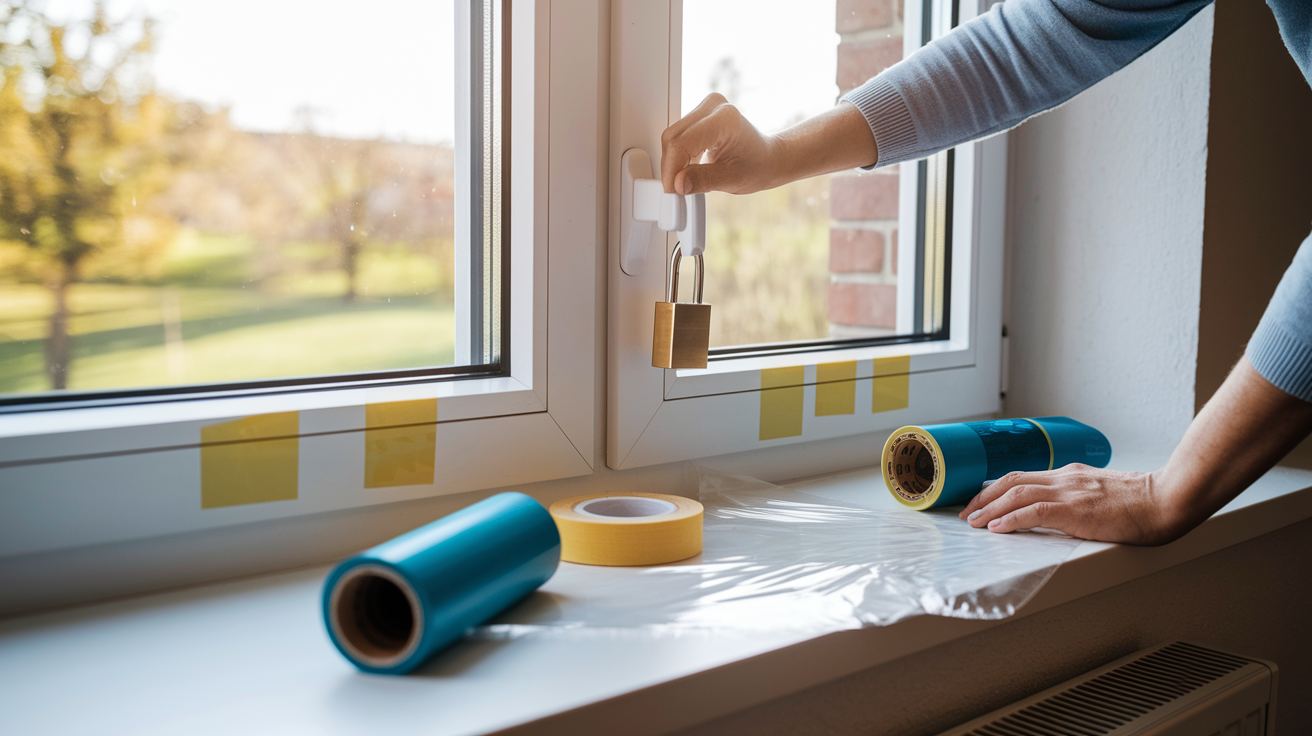
First thing: check if your window’s actually locked. Sounds basic, but an unlocked sash leaves a gap even when it looks closed. Push the sash in and flip the lock. Got a wider window? Install two locks a few inches from each edge instead of one in the middle. This pulls the whole sash tight and closes gaps you won’t see until your hand’s near the frame.
Now find where air’s getting in. Move your hand slowly around the window on a windy day. You’ll feel cold coming through weatherstripping gaps, along the sill, where the frame meets foundation, or through cracks in the glazing. If your fingertip fits in a gap, that’s big enough to lose real heat. Mark every spot with painter’s tape so you don’t forget any when you start sealing.
Once you know where it’s leaking, grab the easiest fixes. Temporary caulk, foam weatherstripping, and plastic film kits can stop most drafts in under an hour. No special skills needed.
Quick workflow:
- Lock the window and make sure the sash sits right in the frame.
- Press tube or roll temporary caulk like Mortite into gaps around the frame and sill.
- Stick foam weatherstripping on the sash sides and top where it touches the frame.
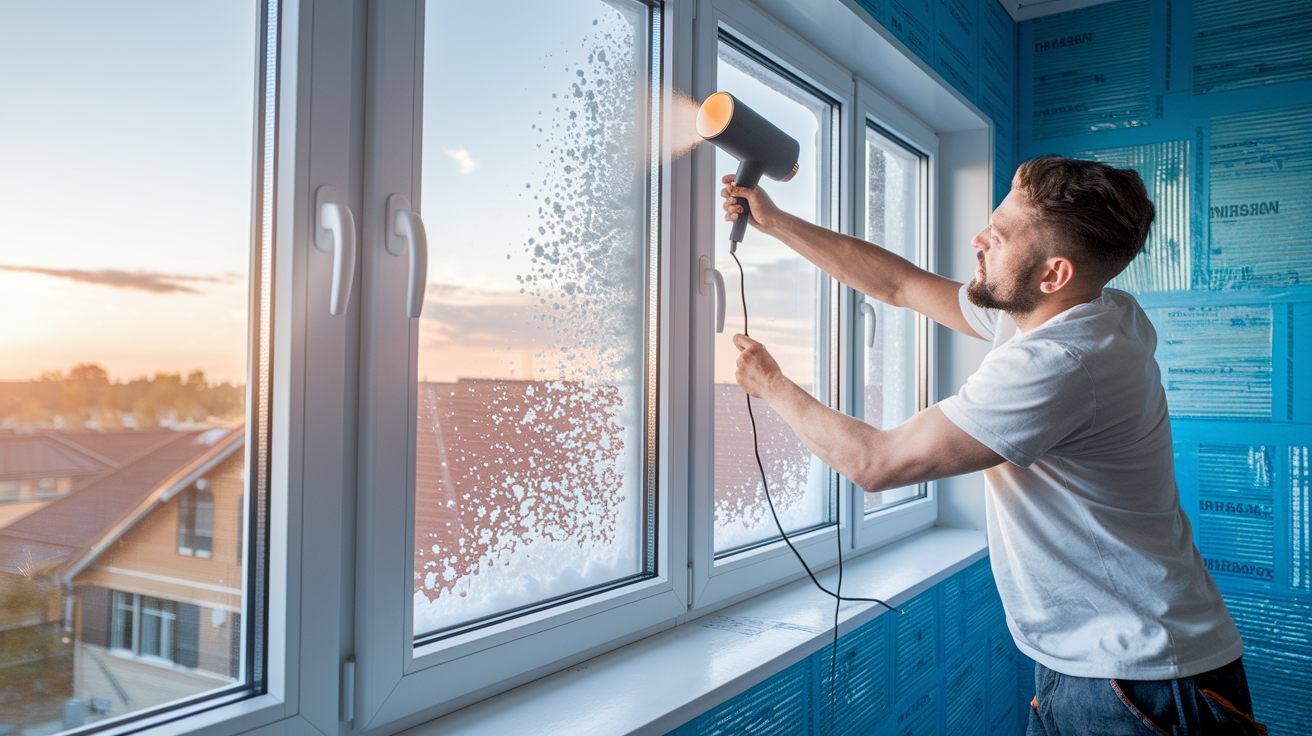
- Cut plastic film a few inches bigger than the window, tape it to the frame with double-sided tape, smooth it out, shrink the wrinkles with a hairdryer.
- Use spray foam sparingly in bigger frame gaps. Stop before it bulges out.
- Wait for everything to dry, then check again with your hand.
Common Causes of Basement Window Drafts and How to Diagnose Them

Basement windows draft for three reasons. Bad installation leaves frames sitting crooked, seals failing, or gaps between the window and foundation opening. Broken seals in double or triple pane windows let the gas escape, turning what should be efficient into basically a single pane. And over time, temperature swings, settling, snow loads, and sun exposure warp and crack the frame.
A gap the width of a nickel can let in as much cold as cracking the window halfway. Older windows with dried glazing compound, loose weatherstripping, or wood that’s swelled and shrunk for decades leak like crazy. If your basement feels cold near the windows when they’re shut, you’re losing heat every hour the furnace runs.
How to find leaks:
- Fingertip test — Run your finger along every seam. If it fits in a gap, air’s coming through.
- Flame test — Hold a candle or incense stick near the edge on a breezy day. Watch if the flame flickers or smoke moves sideways.
- Light test — Shine a flashlight from outside at night while someone inside looks for light leaking through cracks.
- Moisture check — Look for condensation, frost, or discoloration. Moisture follows the same path as cold air.
- Tape test — Press painter’s tape over a suspected crack. If it flutters or peels on a windy day, air’s moving under it.
Essential Tools and Materials for Sealing Basement Window Drafts
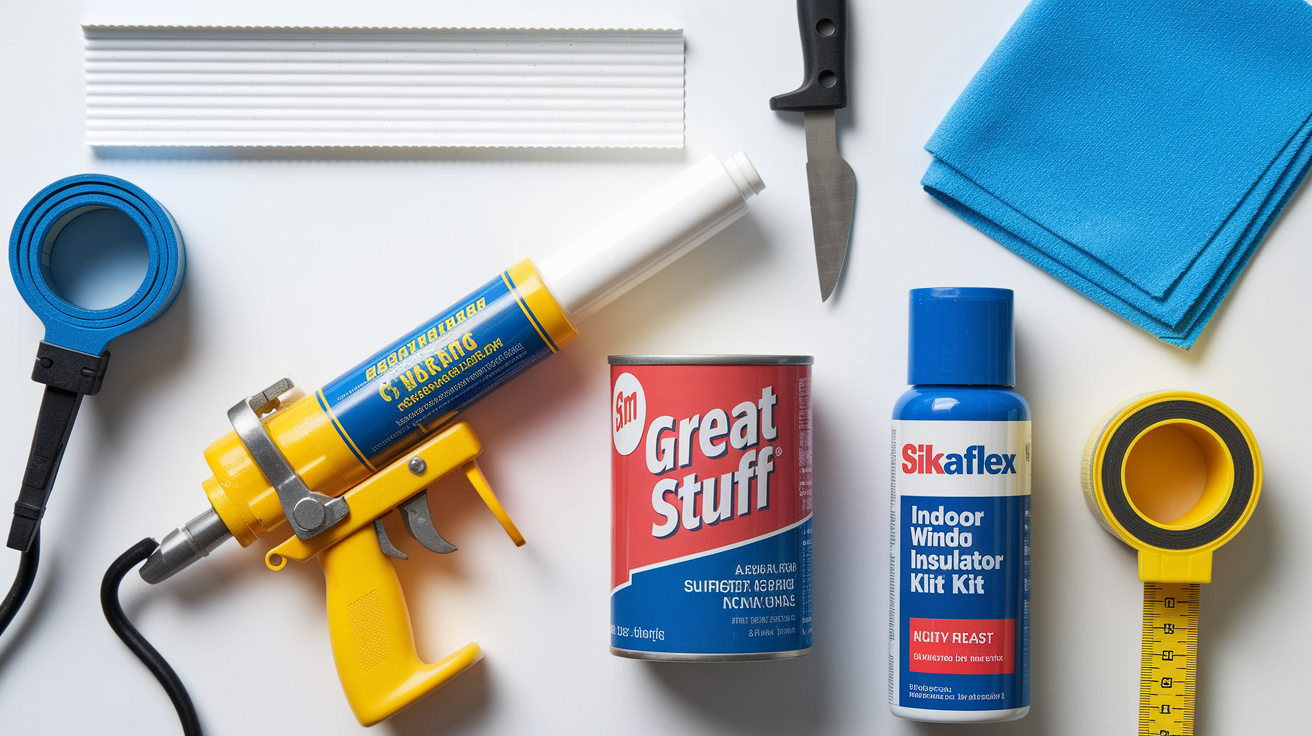
You don’t need a full workshop. A basic kit fits in a small toolbox and costs less than running your furnace an extra week. Self-adhesive weatherstripping handles most sash and frame gaps, a caulking gun gets sealant into cracks, low expansion spray foam fills bigger openings without warping anything, and plastic film kits insulate the whole window when you need maximum protection.
| Item | Purpose | Notes |
|---|---|---|
| Duck Brand Heavy-Duty Weatherstrip | Seal sash edges and frame contact points | Self-adhesive, handles temperature swings, won’t crack in cold |
| Newborn 250 Caulking Gun | Apply caulk into frame gaps | 18:1 thrust, rotating frame for corners, thumb release stops drips |
| Great Stuff Gaps and Cracks Foam | Fill larger gaps around frame | Low expansion, maxes out in about 10 min, dries in a couple hours, cuts clean |
| Sikaflex Self-Leveling Sealant | Fill horizontal cracks up to 1.5 inches | 10.1 oz fits standard gun, 29 oz needs XL gun, cures flexible and paintable |
| 3M Indoor Window Insulator Kit | Cover entire window to block drafts | 17.5 ft x 5.16 ft sheet covers up to five 3×5 windows, shrinks with hairdryer |
Weatherstripping Solutions for Basement Window Draft Prevention
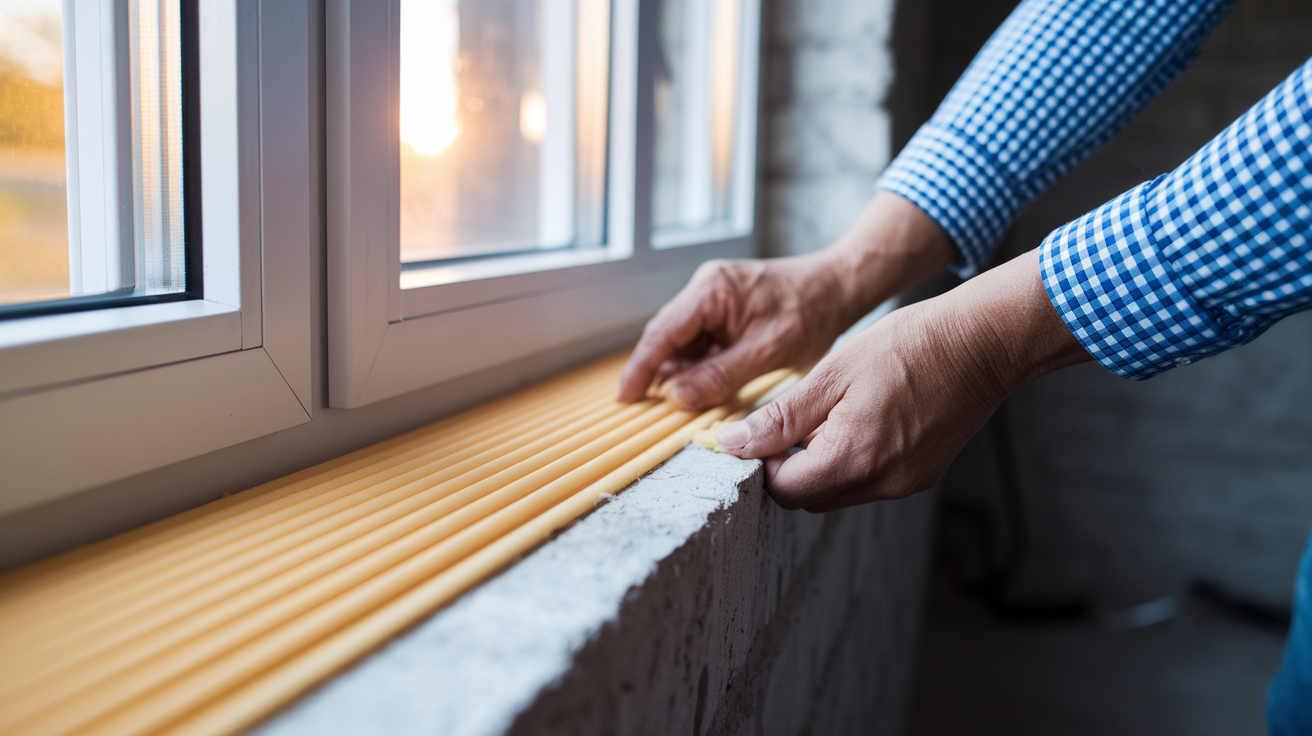
Weatherstripping’s your first defense. It fills tiny gaps between the moving sash and fixed frame, stopping air from sneaking in when the window vibrates from wind or footsteps overhead. Self-adhesive foam costs a few bucks and takes minutes to install. Peel the backing, press it on clean, dry surface, close the window to compress the foam and check fit.
Check weatherstripping every year in late fall before heating season. Look for tears, breaks, foam that doesn’t spring back, or sections peeling away. If it feels hard or cracked, or you see daylight when the window’s closed, replace it. Duck Brand Heavy-Duty stuff resists freezing and comes in multiple widths for different gap sizes.
Installing Adhesive Foam Tape on Basement Window Sashes
Measure each sash edge that touches the frame when closed. Cut the foam slightly longer so you can trim excess after. Clean the surface with rubbing alcohol or damp cloth and let it dry completely for good adhesion. Peel a few inches of backing at a time, press firmly, work along the edge without stretching. Close the window slowly and check that foam compresses evenly. If the window won’t latch, the foam’s too thick. Peel it off and use a thinner strip.
Caulking and Sealant Techniques Around Basement Window Frames
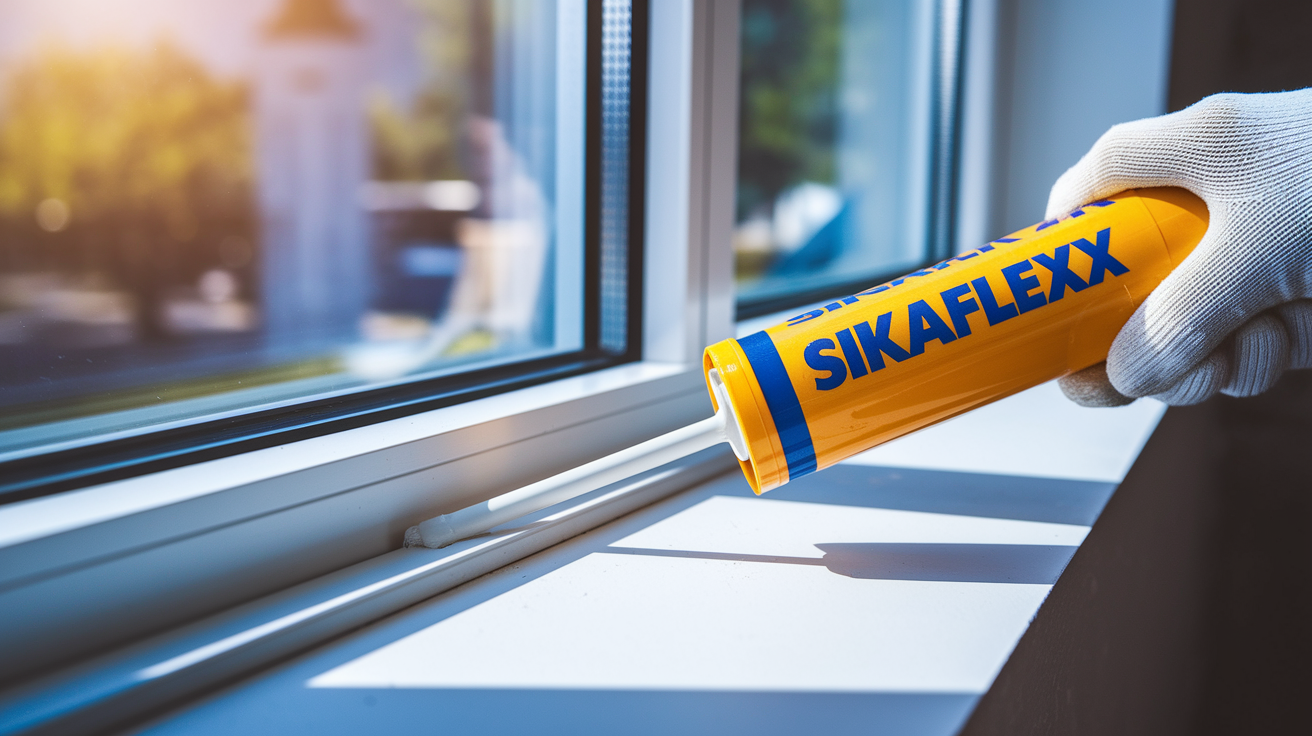
Caulking seals where the frame meets foundation, sill, and interior trim. These don’t move, so flexible sealant keeps air and moisture out for years. Cut the nozzle at 45 degrees to control bead size, load the gun, apply steady pressure while pulling along the joint. Smooth with a wet finger or tool before it skins over, wipe excess with a damp rag.
Sikaflex Self-Leveling works well for horizontal cracks along sills and foundation gaps below the frame. It flows into cracks up to 1.5 inches wide, settles flat without tooling, cures flexible and paintable. The 10.1 oz cartridge fits a standard gun. The 29 oz needs an XL gun. Forms a tack-free skin in a few hours, fully cures within a day or two depending on temperature and humidity.
Apply when air temperature’s above 50°F and surfaces are dry. Cold or damp conditions kill adhesion, and the sealant may peel before it cures. If your basement’s cold, run a space heater near the window for an hour before caulking.
Mistakes to avoid:
- Overfilling gaps wastes sealant and creates messy beads.
- Using acrylic caulk on exterior joints where silicone or polyurethane performs better in wet conditions.
- Applying over wet, dusty, or oily surfaces that won’t hold.
- Sealing active condensation without fixing the moisture source.
- Ignoring exterior gaps where wind-driven rain soaks into the wall cavity.
When to Use Backer Rod for Large Basement Window Gaps
If your fingertip fits between frame and foundation, the gap’s too big for caulk alone. Caulk will sag and never cure right in a deep void. Press closed-cell foam backer rod in first. Clean loose debris, measure width at the widest point, buy rod one size bigger so it compresses when inserted. Cut longer than the gap, push it in with a putty knife until it sits about 1/4 inch below surface, trim excess. Now apply a thin caulk bead over top. It’ll cure quickly because it’s only filling a shallow layer instead of bridging a deep gap.
Using Spray Foam and Insulation Films to Block Basement Window Air Leaks
Spray foam fills irregular gaps around the outside of frames, especially where they meet rough foundation or where pipes and cables create odd voids. Great Stuff Gaps and Cracks is low expansion, maxes out in about 10 minutes, dries hard in a couple hours. The tapered tube lets you aim into tight spots, and it cuts clean with a serrated blade once cured.
Use low expansion near frames. High expansion can push the frame out of square, making windows impossible to open or creating new gaps on the opposite side. Shake the can for a full minute, hold upside down, fill gaps only halfway because it’ll grow. Wait for cure, slice excess with a utility knife, seal the surface with caulk or paint to protect from UV.
How to install plastic film:
- Clean the frame and wall with rubbing alcohol so tape sticks.
- Apply double-sided tape around the entire perimeter, pressing firmly and keeping it straight.
- Cut film a few inches larger than the window for overlap on all sides.
- Peel tape backing and press film on, starting at top and working down to avoid trapping wrinkles.
- Use a hairdryer on medium heat a few inches from the film, move slowly until plastic shrinks tight and wrinkles disappear.
The 3M kit includes 17.5 ft x 5.16 ft sheet covering up to five standard basement windows. The plastic’s thicker than kitchen wrap, and once heat-shrunk it’s nearly invisible. Adds dead air space that insulates and stops drafts completely. Leave it up all winter, peel off in spring with no paint damage.
Insulating and Sealing Window Wells to Reduce Basement Drafts

Window wells funnel cold air. When wind blows across the top, it pushes cold down against the basement window, making drafts worse through even small gaps. Snow, ice, and standing water in the well drop the temperature of glass and frame, increasing condensation inside.
Install a clear polycarbonate cover to block wind and precipitation. The cover should fit snugly and latch down so it doesn’t blow off. Some hinge to allow emergency exit, important if that window’s your only way out. Once the cover’s on, check for gaps where the liner meets foundation and seal with exterior caulk or foam. If cold air’s still leaking around the window itself, apply foil duct tape to seal the joint between frame and foundation, then cover with paintable caulk for a finished look.
Well improvements that reduce drafts:
- Add a fitted polycarbonate cover to block wind and keep precipitation out.
- Fill gaps between liner and foundation with exterior foam or concrete sealant.
- Use SmaringWing Aluminum Foil Duct Tape to seal where frame penetrates foundation, then caulk over for weather protection and cleaner appearance.
Repairing Older Basement Window Sashes, Frames, and Glazing to Stop Drafts
Older single-pane windows leak because glazing compound holding the glass has dried, cracked, and fallen away. When glazing fails, air flows around the pane even with the sash locked. You’ll see gaps where wood has shrunk or cracked from decades of temperature swings and moisture.
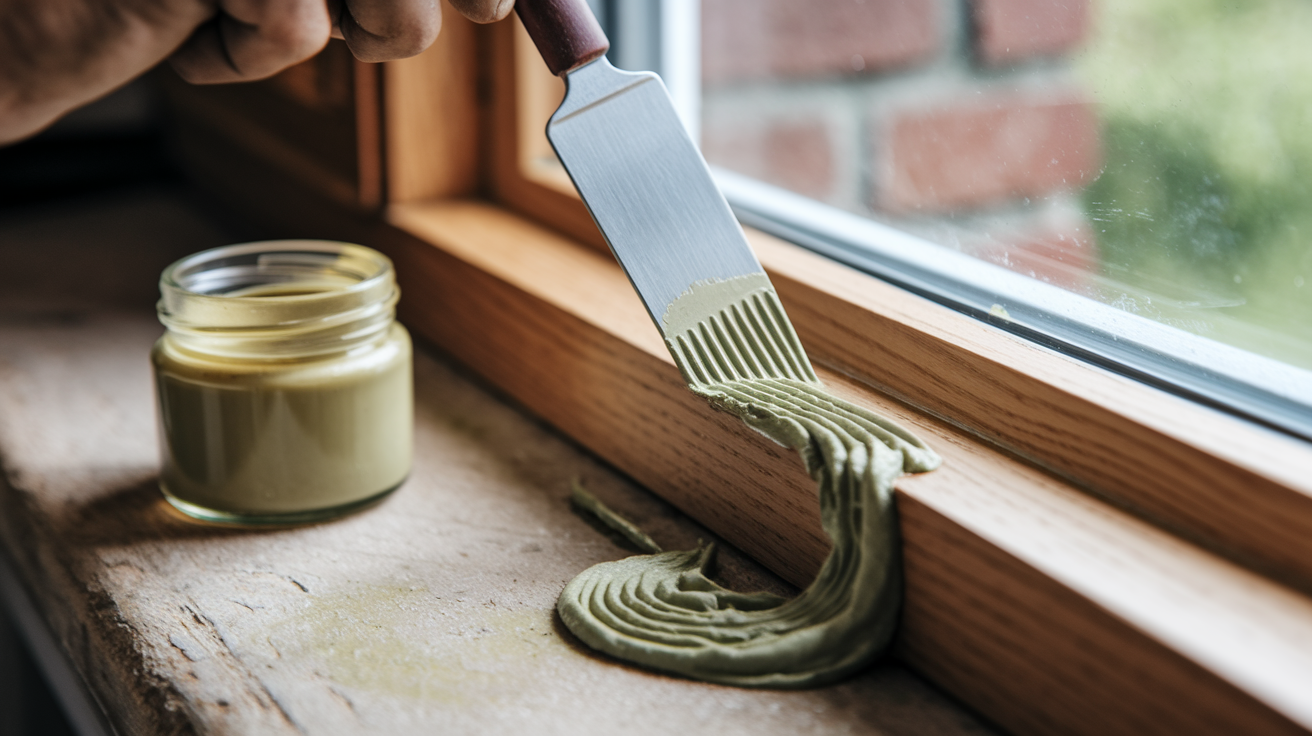
Inspect the glazing compound between glass and wood. If it’s hard, crumbly, or missing, it needs replacing. Use a putty knife or narrow chisel to scrape away old compound without cracking glass. Clean with a wire brush, apply linseed oil to bare wood, let it soak a few minutes. This keeps wood from pulling oils out of fresh compound and drying it too fast.
Roll fresh compound between your palms into a 1/2 inch rope, press into the channel around glass, smooth at 45 degrees with a putty knife. Work one side at a time, make sure compound fills completely with no voids. Glazing needs at least a week to cure before painting. Only do this when temperature’s above 50°F so compound stays pliable and bonds properly.
Step-by-Step Reglazing for Basement Windows
Remove old glazing by sliding a putty knife under and gently prying away from wood and glass. If it’s stuck, soften with a heat gun on low, moving constantly to avoid cracking glass. Pull out old glazier’s points with pliers. Clean channel to bare wood, wipe dust with damp rag. Apply thin linseed oil and let dry until tacky but not wet. Roll new compound into ropes and press firmly into the channel, pushing down to fill completely. Hold a putty knife at 45 degrees and pull along to create smooth, angled bead covering the joint. Let cure at least a week before painting. Once cured, glazing seals the glass edge and stops air leaking around the pane.
Energy Savings, Costs, and Maintenance After Sealing Basement Window Drafts

Sealing drafts cuts heating costs by reducing cold air your furnace warms and hot air escaping through leaks. A gap the width of a nickel can lose as much heat as leaving a small window half open all winter. Multiply by three or four basement windows and you’re heating the outdoors. Exact savings depend on local rates, how drafty things were, and how cold your winters get. But most people notice the basement feels warmer within a day or two and see lower bills within the first month.
Materials are cheap. Weatherstripping runs a few bucks per window, temporary caulk and foam tape under ten, caulking gun and sealant together around twenty, window film kit covering five windows less than fifteen. Even sealing every basement window with new weatherstripping, caulk, foam, and film costs less than running a space heater for a few weeks.
Keep your seals working:
- Inspect weatherstripping every fall and replace strips that are torn, compressed flat, or peeling.
- Check caulk joints once a year for cracks, re-caulk before winter.
- Remove and replace plastic film each spring to avoid UV damage, reapply fresh the following fall.
- Watch foam-sealed gaps for shrinkage or crumbling, add fresh caulk over deteriorated foam.
- Keep at least one basement window operable and unsealed for emergency exit and ventilation. Never permanently seal all windows in a room.
Final Words
Seal gaps, add weatherstripping, and test for leaks, right away. Lock the window, apply temporary caulk or film, use low-expansion foam sparingly, and check the well.
You learned how to find leak points, pick the right tools, apply caulk with backer rod, and when to reglaze or use film for a quick fix.
Now you know how to seal basement window drafts for real. Do the simple steps, inspect yearly, and enjoy a warmer, quieter basement. You’ve got this.
FAQ
Q: How do you seal drafty basement windows and permanently fix drafty windows?
A: Sealing drafty basement windows and permanently fixing them means sealing gaps with caulk or low-expansion foam, using backer rod for large gaps, repairing or reglazing frames, and replacing windows if seals or frames fail.
Q: How to seal your drafty windows for less than $50?
A: Sealing drafty windows for under $50 uses adhesive weatherstripping, a tube of caulk, and window insulation film. Buy weatherstrip and film kits for a few dollars each and reserve foam for small gaps.
Q: Does window weather sealing tape work?
A: Window weather sealing tape works for small, steady gaps and quick fixes. Clean and dry surfaces first; it’s affordable but usually short-term, so check and replace annually or when worn.