

Still wresting bolts with an open-end wrench? You don’t have to.
A socket wrench is a ratcheting handle with interchangeable sockets that slip over bolt heads so you can turn them faster and with less effort.
In this post I’ll show how the pawl (a small catch) and gear inside the ratchet make that clicking action work, explain drive sizes and socket types, and give clear advice on when to use a breaker bar, flex head, or impact socket.
By the end you’ll know which tool to grab and why.
Clear Explanation of a Socket Wrench and Its Core Function

A socket wrench is a hand tool that uses interchangeable sockets fitted to a drive handle to turn bolts and nuts faster and with more leverage than open or box wrenches. Most socket wrenches feature a ratcheting handle that lets you tighten or loosen fasteners without lifting the tool off the bolt after each turn. The ratchet mechanism inside the handle uses a pawl and gear system that catches and turns the fastener in one direction while clicking freely in the other.
The tool looks like a metal handle about six to twelve inches long with a square nub sticking out at one end. That square nub is called the drive, and it accepts sockets, which are cylindrical metal sleeves sized to fit over hex head bolts and nuts. You push a socket onto the drive until it clicks, turn the handle to work the fastener, then swap sockets when you move to a different size. A small lever on the back of the ratchet head lets you switch between tightening and loosening without flipping the tool over.
Socket wrenches save time and protect fasteners because they grip all six sides of a hex head at once. This spreads the force evenly and cuts down the chance of rounding corners. Instead of repositioning an open end wrench for every stroke, you swing the handle back and forth in a short arc and the ratchet does the work.
Essential components:
- Drive handle – the bar you grip, usually 6 to 12 inches long
- Ratchet head – contains the pawl mechanism and direction lever
- Sockets – interchangeable sleeves that fit over fastener heads
Technical Breakdown of Socket Wrench Components and Their Operation
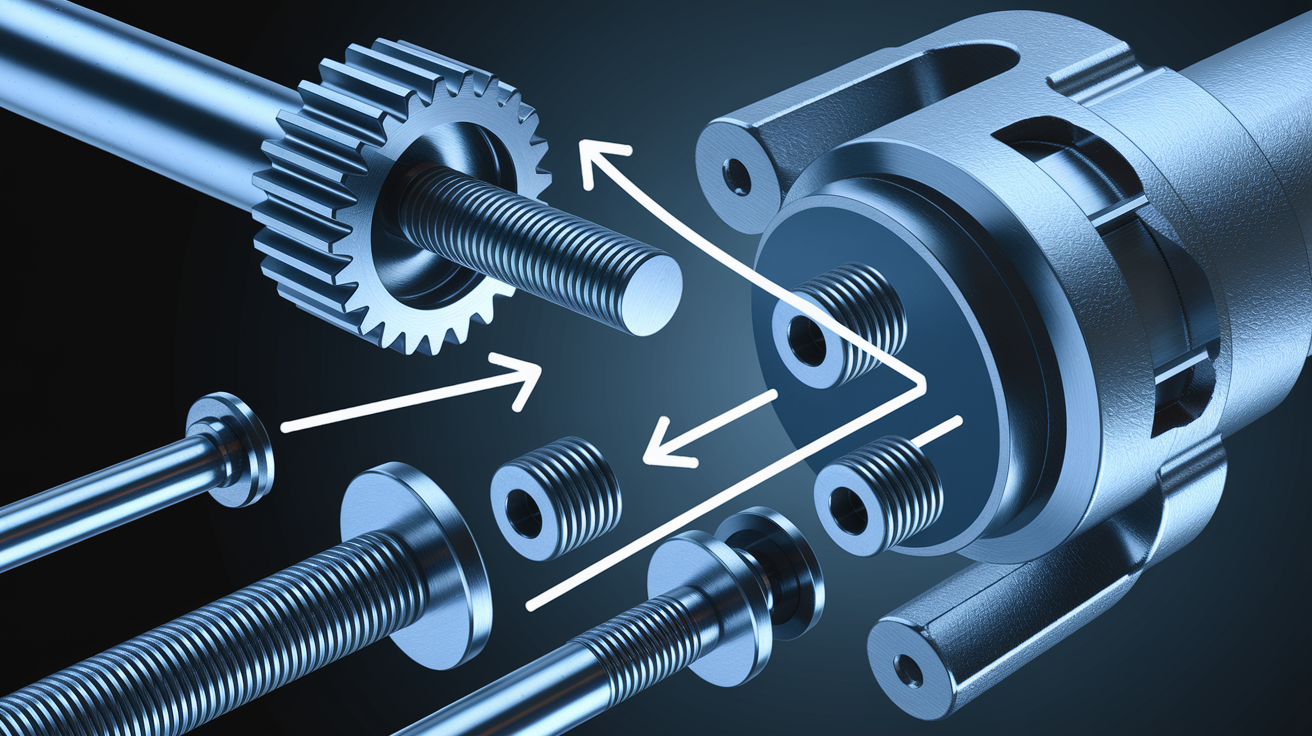
The square drive is the point where the socket connects to the ratchet. Common drive sizes are 1/4 inch, 3/8 inch, 1/2 inch, 3/4 inch, and 1 inch, measured across the flat sides of the square. Inside the ratchet head, a spring loaded pawl (a small pivoting catch) engages a toothed gear wheel attached to the drive. When you pull the handle one direction, the pawl locks into the gear teeth and turns the drive. Push the handle back and the pawl slides over the teeth with a clicking sound, leaving the drive stationary. Flipping the direction lever moves the pawl to the opposite side of the gear so it locks in reverse.
Sockets slide over the square drive and are held in place by a spring loaded ball bearing that pops into a detent groove on the drive. This ball detent keeps the socket from falling off but still lets you pull it free when you need to swap sizes. Adapters let you use sockets from one drive size on a different drive. For example, a 3/8 inch to 1/2 inch adapter lets you fit larger sockets onto a smaller ratchet. Extensions are solid steel rods with a square drive on one end and a square receiver on the other, adding reach when a fastener sits deep inside an engine bay or behind other parts.
Universal joints (u-joints) connect to the drive and allow the socket to pivot at an angle, usually up to about 30 degrees. This flexing joint helps you reach fasteners that sit at odd angles or in spaces where a straight handle won’t fit. Some ratchets also accept spinner handles (a crank style grip) or T-handles for higher speed when you’re threading long bolts by hand before final tightening.
| Component | Function |
|---|---|
| Pawl and gear | Engages drive in one direction, clicks free in the other |
| Square drive | Accepts sockets and transmits rotation from handle to fastener |
| Ball detent | Holds socket on drive via spring loaded bearing |
| Direction lever | Switches pawl position to reverse rotation direction |
Socket Wrench Drive Sizes and Socket Standards Explained

Drive Sizes
Drive size determines how much torque the ratchet and socket can handle before parts flex or break. A 1/4 inch drive is light and compact, best for small fasteners like those on electronics, small engines, or trim panels. The small square and thin sockets fit into tight spots, but the drive isn’t strong enough for high torque without risking damage. A 3/8 inch drive is the most versatile general purpose size, handling everyday automotive work, appliance repairs, and most household bolts. Most home DIYers find a 3/8 inch set covers about 80 percent of common tasks.
A 1/2 inch drive is built for heavy duty work. Suspension bolts, axle nuts, and other high torque automotive fasteners. The thicker square and beefier ratchet body resist twisting under force, and larger sockets made for 1/2 inch drives have thicker walls to match. Professional mechanics often keep all three of these drives in their toolbox and reach for the smallest drive that can handle the job, because smaller ratchets swing in tighter arcs and fit better in cramped engine bays. Industrial and heavy equipment work may call for 3/4 inch or 1 inch drives, which are rare in home garages but essential on construction machinery and large trucks.
| Drive Size | Typical Socket Range | Best For |
|---|---|---|
| 1/4 inch | 4 mm to 14 mm (metric) or 3/16″ to 9/16″ (SAE) | Small fasteners, electronics, trim work |
| 3/8 inch | 6 mm to 19 mm (metric) or 1/4″ to 3/4″ (SAE) | General automotive and home repairs |
| 1/2 inch | 10 mm to 32 mm (metric) or 3/8″ to 1 1/4″ (SAE) | Heavy duty automotive, suspension, axles |
| 3/4 inch | 19 mm to 50 mm+ (metric) or 3/4″ to 2″ (SAE) | Large trucks, construction equipment |
| 1 inch | 24 mm to 65 mm+ (metric) or 1″ to 2 1/2″+ (SAE) | Industrial machinery, heavy equipment |
Metric vs SAE
Sockets come in two measurement systems. Metric sockets use millimeters and are standard on most vehicles built outside North America and on newer American cars. Common sizes include 8 mm, 10 mm, 12 mm, 13 mm, 14 mm, 15 mm, 17 mm, and 19 mm. SAE (Society of Automotive Engineers, also called imperial or standard) sockets use fractions of an inch and appear on older American made equipment and some specialty fasteners. Typical SAE sizes are 1/4 inch, 5/16 inch, 3/8 inch, 7/16 inch, 1/2 inch, 9/16 inch, 5/8 inch, and 3/4 inch.
Socket markings are usually stamped or laser etched on the side or face of the socket. Metric sockets show a plain number like “10” or “17,” while SAE sockets show a fraction or decimal like “1/2” or “.500”. Because the two systems don’t align (10 mm is slightly smaller than 3/8 inch, for example), using the wrong measurement can round off fastener corners. Most mechanics eventually need both metric and SAE sets because you’ll hit jobs that mix both, like an older car with aftermarket parts or imported equipment with mixed hardware.
Types of Socket Wrenches and Their Uses
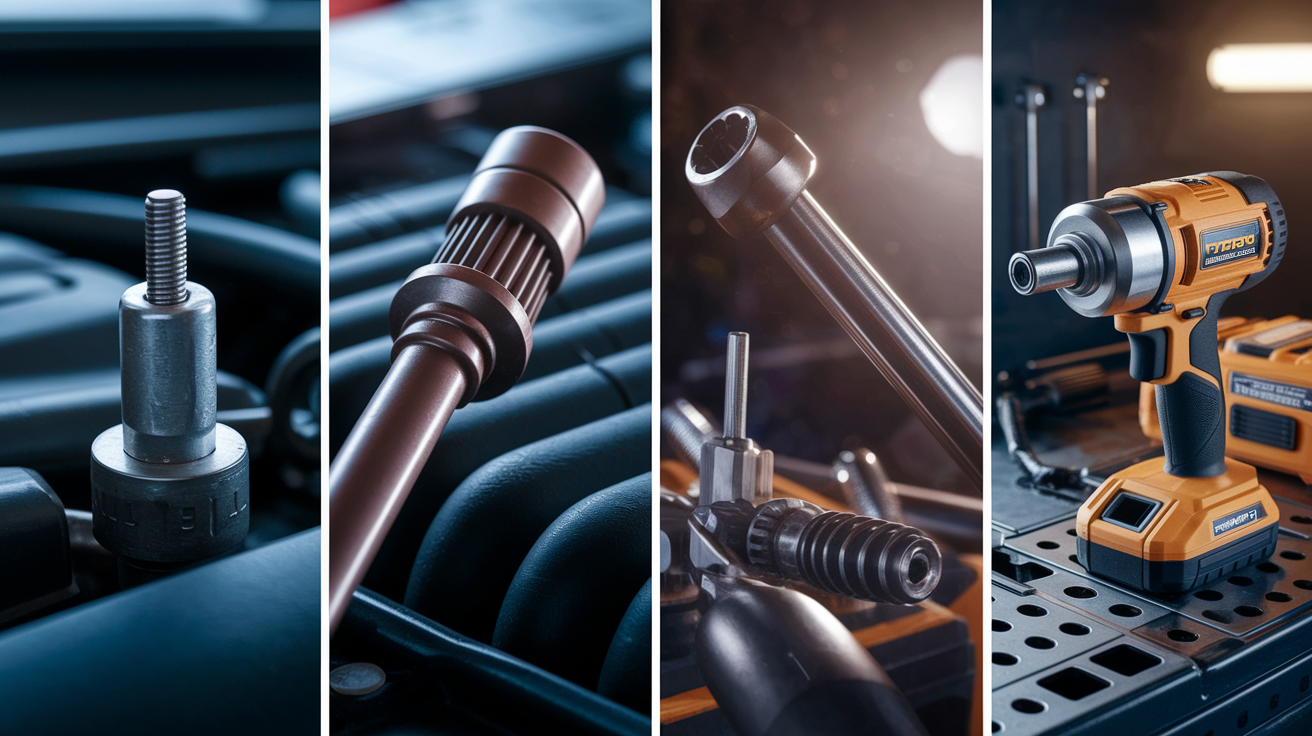
Ratcheting Socket Wrench
The ratcheting socket wrench is the most common type and the tool most people mean when they say “socket wrench.” It uses the pawl and gear mechanism to let you turn fasteners in repeated short strokes without removing the socket from the bolt head. Tooth counts inside the ratchet determine how far you need to swing the handle. 24 teeth require about a 15 degree arc, 72 teeth need only about a 5 degree swing. Higher tooth counts are helpful in tight spaces where you can barely move your wrist, but they also mean more parts that can wear out over time.
Breaker Bar
A breaker bar looks like a long steel handle with a square drive on the end but no ratchet mechanism inside. You use it for one job: breaking loose extremely tight fasteners that would damage a ratchet’s internal gears. The solid construction and extra length give you much more leverage. A 24 inch breaker bar can multiply your hand force several times over. Once the fastener moves, you switch back to a ratchet to finish removing it. Breaker bars are common in automotive work for lug nuts, suspension bolts, and anything seized by rust or over tightening.
Flex Head / Specialty Designs
Flex head ratchets feature a pivoting head that swivels up to about 180 degrees, letting you reach around obstructions or work at awkward angles. The hinge joint sits between the handle and the ratchet mechanism, and a friction detent or locking collar holds the head at your chosen angle. These are useful under dashboards, behind engine accessories, or anywhere a straight handle won’t fit. The trade off is a slightly bulkier head and one more pivot point that can wear or loosen over time.
Impact Compatible Socket Wrenches
Impact sockets are designed to handle the sudden hammering force of air powered or electric impact wrenches. They’re made from softer, tougher steel (often chrome molybdenum instead of chrome vanadium) with thicker walls and a matte black oxide finish instead of polished chrome. Using a regular chrome socket on an impact wrench can shatter the socket and send metal shards flying. Impact sockets cost a bit more but are essential if you plan to use power tools. Hand ratchets don’t need impact sockets, but many mechanics buy them anyway because the thicker walls resist rounding and last longer even under hand use.
Socket type pros and cons:
- Ratcheting – fast, efficient, works in tight arcs. Can break if forced past torque limits
- Breaker bar – extreme leverage, nearly indestructible. No ratchet action, requires full handle swing
- Flex head – reaches angles straight tools can’t. More parts to wear, bulkier head
- Impact compatible – handles power tools safely, very durable. Heavier, more expensive, black finish shows dirt
- Deep sockets – fit over long bolt ends and reach recessed nuts. Won’t work in shallow spaces
- Shallow sockets – compact, fit tight spaces. Can’t reach past long threads
Practical Uses for a Socket Wrench in Home and Automotive Work
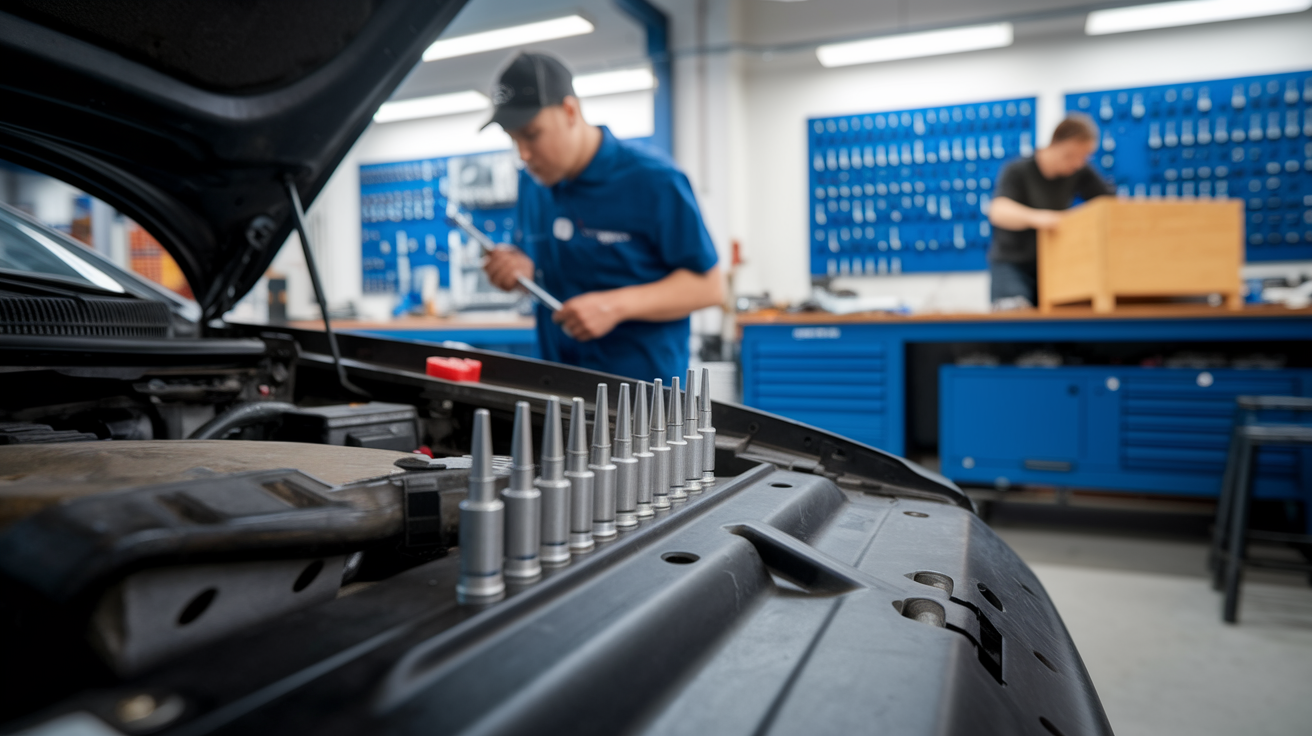
Socket wrenches are the go to tool for any job involving multiple hex head fasteners. In automotive work, you’ll use them to remove wheels, swap brake pads, replace starters and alternators, work on exhaust systems, and pull engine components. A 3/8 inch ratchet with a set of metric sockets handles most underhood tasks on modern cars. Larger 1/2 inch drive sets come out for suspension work, axle nuts, and anything requiring serious torque.
Around the house, socket wrenches speed up furniture assembly, appliance repairs, and plumbing fixture installations. They’re also handy for tightening loose bolts on lawnmowers, bicycles, and garage door hardware. When a bolt is stuck or rusted, a few drops of penetrating oil (a thin lubricant that seeps into threads) and a breaker bar usually do the job. Let the oil soak for 10 or 15 minutes, then apply steady pressure with the breaker bar instead of jerking or hammering.
Socket wrenches shine in repetitive tasks where you need to remove or install dozens of identical fasteners. Assembly line workers, HVAC techs, and anyone building decks or storage racks rely on the ratchet’s continuous motion to save time and reduce hand fatigue.
Five common DIY tasks where socket wrenches save time:
- Changing a car battery (four or six bolts on the hold down bracket and two terminal clamps)
- Installing ceiling fans (multiple hex head screws in mounting brackets and motor housings)
- Replacing a toilet (two floor bolts and the tank to bowl hardware)
- Assembling flat pack furniture (dozens of cam lock bolts and barrel nuts)
- Tightening loose bed frames (four corner bolts that work loose over time)
Choosing the Right Socket Wrench and Socket Set
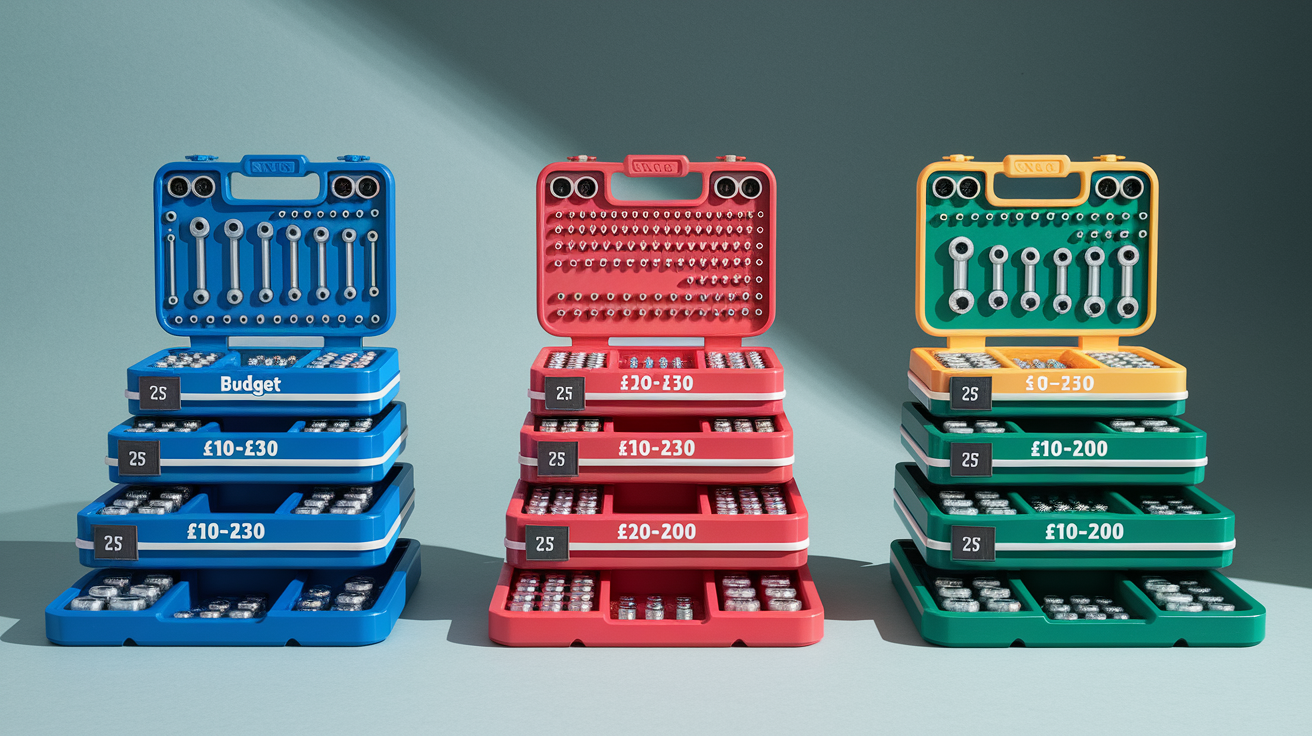
Chrome vanadium steel is the standard material for most hand use sockets. It’s hard enough to resist wear but not so brittle that it shatters under normal torque. Chrome plating protects the steel from rust and makes sockets easy to wipe clean. Impact sockets use chrome molybdenum (chrome moly) alloy, which is softer and tougher to absorb the shock loads from power tools. The black oxide or phosphate finish on impact sockets offers some corrosion resistance but isn’t as smooth or shiny as chrome.
Socket sets range from small six piece kits with just the most common sizes up to professional 80 plus piece collections that include multiple drive sizes, deep and shallow sockets, extensions, universal joints, and adaptors. For most home users, a 24 to 40 piece set with a 3/8 inch drive covers everyday needs. If you work on cars regularly, add a 1/2 inch drive set for heavy fasteners and a small 1/4 inch set for trim and electronics. Buying a combo set with all three drives saves money compared to buying each separately.
Price reflects both quality and quantity. Budget sets from £10 to £30 are fine for occasional use but may have looser tolerances, rougher finishes, and ratchets that skip or jam after moderate use. Mid range sets from £30 to £100 offer better build quality, smoother ratchets with higher tooth counts, and organized storage cases. Professional grade kits starting around £100 and running past £300 include lifetime warranties, precision machining, and enough sizes to handle almost any fastener you’ll meet.
| Price Tier | Typical Piece Count | Quality Level | Recommended For |
|---|---|---|---|
| £10 to £30 | 6 to 24 pieces | Entry level, occasional use | Light home repairs, infrequent projects |
| £30 to £100 | 24 to 40 pieces | Mid range, good durability | Regular DIY, automotive hobbyists |
| £100 to £300+ | 40 to 80+ pieces | Professional, lifetime warranty | Daily use, professional mechanics |
Safe and Effective Operation of Socket Wrenches

Use a breaker bar instead of a ratchet when you need to apply high torque to break a fastener loose. Ratchets are designed for moderate force, and leaning on the handle or adding a cheater pipe (a length of tube slipped over the handle for extra leverage) can crack the internal gears or bend the drive. Once the fastener moves, switch to the ratchet to finish the job. Always pull the handle toward you when possible rather than pushing away. If the fastener suddenly breaks free, pulling means you stay in control instead of punching your knuckles into nearby metal.
Six point sockets grip the flat sides of a hex head and spread force evenly, reducing the chance of rounding corners. Twelve point sockets fit over a bolt in more positions, which is helpful in tight spaces, but they contact the corners of the hex and can round them if you apply too much force on a stuck fastener. When a bolt already looks worn or rusty, reach for a six point socket and make sure it’s fully seated before you pull. If the socket feels loose or wobbly on the fastener, stop and double check the size. Forcing a close but wrong fit will round the bolt and turn a simple job into an extraction nightmare.
Essential safety principles:
- Pull the handle toward you to keep control if the fastener breaks free suddenly
- Use six point sockets on worn or rusted fasteners to reduce rounding
- Never extend a ratchet handle with a pipe. Use a breaker bar for high torque instead
- Check that the socket is fully seated on the fastener before applying force
Maintaining Socket Wrenches and Proper Tool Care

Ratchet mechanisms need a drop of light machine oil on the pawl and gear teeth every few months if you use them often. Most ratchets have a small access hole or removable cover on the back of the head where you can add oil without taking the tool apart. Wipe off excess oil so it doesn’t collect dirt. If the ratchet starts skipping teeth or feels gritty, disassemble it (if the design allows), clean out old grease and metal dust with a degreaser, then re lubricate with fresh grease or oil.
Sockets rarely need maintenance beyond a quick wipe after use, but inspect them for cracks, chips, or worn corners before starting a big project. A cracked socket can split under load and damage the fastener or your hand. Store sockets in a tray, rail, or case that keeps them organized by size. Dumping them loose in a toolbox wastes time and leads to lost pieces. Many socket sets come with molded plastic trays or magnetic rails that hold each size in order and make it easy to spot a missing socket.
| Maintenance Task | Recommended Frequency |
|---|---|
| Lubricate ratchet mechanism | Every 3 to 6 months with regular use |
| Wipe sockets clean | After each use, especially in dirty or oily conditions |
| Inspect sockets for cracks or wear | Before starting a large project or every few months |
| Organize and check storage | Monthly, to prevent lost sockets and keep sizes sorted |
Final Words
Grab a ratchet, snap on the right socket, and turn—this guide gave a clear definition, showed the main parts, and explained how the ratchet drive works so you can get moving fast.
We covered drive sizes, common socket types, real-world home and car uses, buying tips, safety basics, and simple maintenance to keep tools ready.
If you still wonder what is a socket wrench, remember it’s a handle with interchangeable sockets and a ratcheting head that speeds fastening. With these tips you’ll pick the right set and avoid rounded bolts. You’ve got this.
FAQ
Q: What’s the difference between a socket wrench and a ratchet?
A: The difference between a socket wrench and a ratchet is that a socket wrench refers to the handle-plus-sockets system, while a ratchet is the specific drive handle with a pawl-and-gear that lets you turn without repositioning.
Q: What is a socket wrench used for?
A: A socket wrench is used for tightening and loosening nuts and bolts on cars, appliances, plumbing, and furniture, letting you apply torque quickly and reach recessed fasteners with the right socket.
Q: What can I use instead of a socket wrench?
A: Instead of a socket wrench you can use an adjustable wrench, box-end or combination wrench, or pliers for basic tasks; a breaker bar replaces a ratchet for high torque, but those options are slower or risk rounding fasteners.
Q: What is another name for a socket wrench?
A: Another name for a socket wrench is a ratchet wrench, often shortened to “ratchet,” because the common drive handle uses a ratcheting mechanism to turn sockets without lifting.