

Think squeaky floors are a small, harmless annoyance?
They can cost a lot. Most repairs run $200 to $1,000 per room, and big structural fixes can top $6,000.
In this post I’ll break down real price ranges, DIY material costs, and what adds up on your final bill.
You’ll learn low-cost fixes you can try, when basement access saves money, and the clear signs it’s smarter to hire a pro.
Read on to pick the option that fits your budget and skill level.
Cost Breakdown for Fixing Squeaky Floors (Complete Pricing Overview)

Most squeaky floor repairs run $200 to $1,000 per room. The national average sits around $200 to $500 for straightforward fixes. Minor repairs—simple screw installations or surface treatments—typically cost $200 to $1,200 per room. Major structural work can push you into the $500 to $6,000+ range when subfloor replacement or joist reinforcement enters the picture.
DIY material costs offer serious savings. Powdered graphite lubricants run $5 to $15, basic screw kits cost $10 to $50, and specialty repair systems like the Squeaky Repair Kit for click-system floors sell for around $16.95. More advanced DIY tools, such as the Plank Grabber at $59.95, help realign planks and stop future movement. Most DIY fixes fall between $5 and $150 depending on what you choose and how bad the problem is.
Access points matter a lot for final costs. Repairs done from below (through a basement or crawlspace) typically cost $200 to $800 per affected area. Contractors can secure the subfloor to joists with adhesive or blocking without touching your finished floor. When you can’t access from below, expect to pay more. You’re looking at trim removal, finish work, and refinishing after repairs wrap up.
Typical repair scenarios and what they cost:
- Single-room surface squeak (graphite or screw fix): $200–$600 professional, $10–$100 DIY
- Multi-room squeak with basement access (adhesive injection or blocking): $400–$800 professional
- Squeak requiring subfloor repair in one room: $500–$1,200
- Structural joist replacement tied to squeaks: $350–$1,000 per joist
- Comprehensive leveling or structural fixes (widespread movement): $500–$6,000+ per room
- Emergency or same-day service call: add $100–$300 to base repair cost
Key Cost Factors That Affect Squeaky Floor Repair Pricing
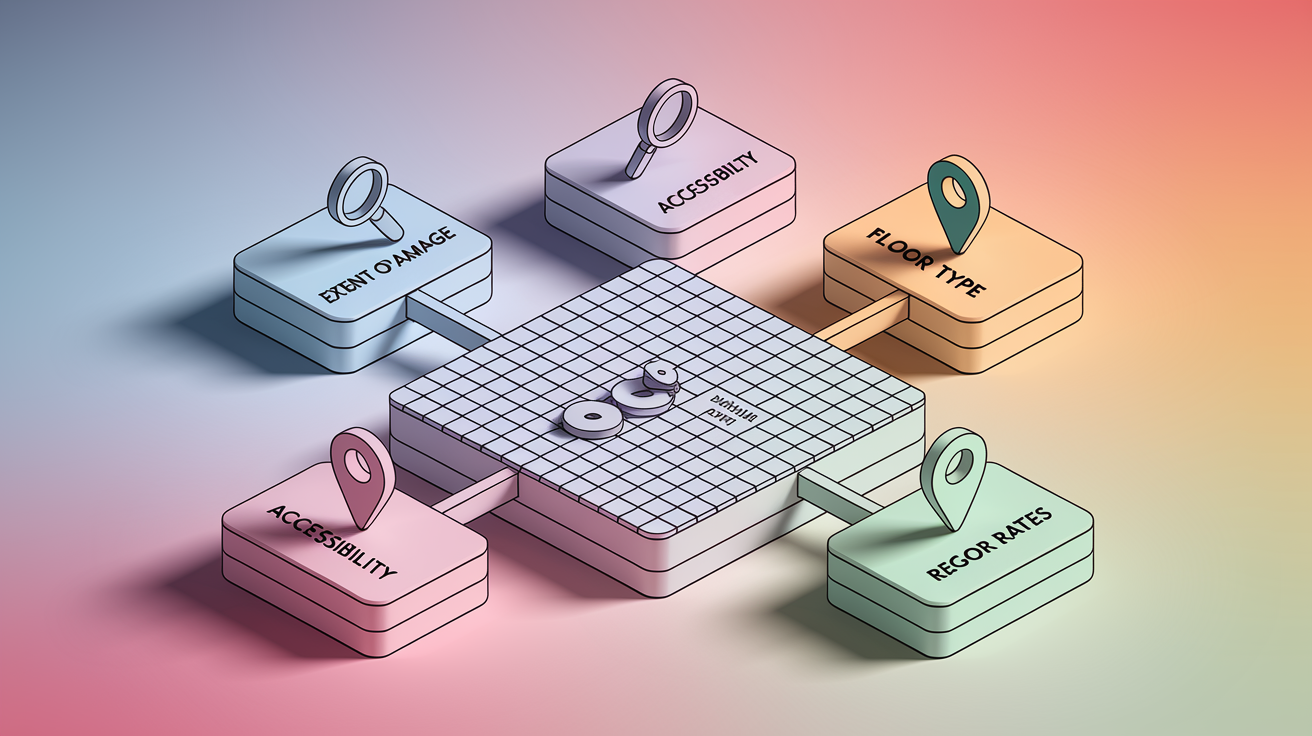
The extent of damage drives the biggest cost swings. A few isolated squeaks in a hallway take minimal time and materials. Subfloor separation across an entire room demands more labor, more fasteners, and potentially new underlayment. Diagnosis is essential before you start. Misidentifying the source of the noise leads to unnecessary expenses and repeated fixes. Professional inspection visits may add $75 to $200 to your total, but they prevent costly guesswork.
Flooring material, accessibility, and regional labor rates round out the major variables. Hardwood repairs often cost more than carpet fixes because exposed wood needs careful handling to avoid visible damage. Laminate floors sometimes need full plank replacement rather than simple reinforcement. Humidity-related wood movement commonly contributes to squeaks, especially in older homes where seasonal expansion and contraction create gaps between layers. Regional differences in contractor availability and cost of living can shift labor rates by 20 to 40 percent between metro areas and rural markets.
The most influential cost factors:
- Floor type: Hardwood and stone repairs cost more than carpet and vinyl. Laminate often requires plank replacement rather than screw fixes
- Accessibility: Basement or crawlspace access reduces cost and complexity. Second-floor or slab-on-grade repairs cost more
- Square footage and number of affected areas: Per-room pricing drops when multiple rooms get repaired in one visit
- Severity of subfloor separation: Loose boards cost less to fix than rotted subfloor or failing joists
- Regional labor rates: Expect variation of $50 to $150 per hour depending on market and contractor expertise
DIY Squeaky Floor Repair Costs and Common Methods

DIY squeak repairs give you complete control over cost and timeline. Most material expenses fall between $5 and $150 depending on the method you choose. Powdered graphite (a simple lubricant you squeeze into gaps between floorboards) costs $5 to $15 and works well for minor surface squeaks caused by friction between boards. The fix is temporary but fast. No tools required beyond the applicator bottle.
Driving screws through the subfloor into floor joists from below is one of the most solid DIY methods. A box of 50 double-threaded screws runs $10 to $30, and the repair is permanent if you hit solid wood. You’ll need a drill, a stud finder to locate joists, and access to the underside of the floor. Construction adhesive injection offers another durable solution, especially when the subfloor has pulled away from joists. A tube of heavy-duty construction adhesive costs $4 to $8. A caulking gun adds another $5 to $15 if you don’t already own one. Specialty kits designed for specific floor types streamline the process and reduce the risk of finish damage.
The Stop Squeak system uses scored double-threaded screws that snap off below the surface, leaving no visible hardware. A 50-pack of these screws costs around $15 to $25. The screws work through carpet or into hardwood when paired with the right depth-control fixture. The Squeaky Repair Kit for click-system floors includes Click Lube and Groove Gasket for $16.95, targeting friction-related squeaks in floating laminate or engineered planks. The Plank Grabber (priced at $59.95) physically realigns and secures loose planks or tiles. It addresses both the noise and the underlying movement that causes future squeaks.
| Method | Typical Cost | Best For |
|---|---|---|
| Powdered graphite lubricant | $5–$15 | Minor surface friction squeaks; temporary solution for renters or quick fixes |
| Double-threaded screws (driven from below) | $10–$50 | Subfloor separation when basement or crawlspace access is available |
| Construction adhesive injection | $10–$30 | Gap-filling between subfloor and joists; long-term fix without visible hardware |
| Specialty repair kits (Click Lube, Plank Grabber, Stop Squeak) | $16–$60 | Specific floor types (click-lock, carpet, hardwood); includes tools and fasteners in one package |
Professional Squeaky Floor Repair Prices and What They Include

Hiring a professional typically costs $200 to $1,000 per room. Most homeowners pay around $400 to $600 for straightforward squeak elimination. That price includes diagnosis, labor, materials, and cleanup. It doesn’t cover refinishing or large-scale subfloor replacement unless those services are specified upfront. Professionals bring specialized tools, experience identifying hidden problems, and warranties that protect you if the squeak returns within a set period (usually 30 to 90 days).
Access-from-below repairs (common when you have a basement or crawlspace) range from $200 to $800 per affected area. The contractor applies construction adhesive between the subfloor and joists or installs wood blocking to eliminate movement. When access from below isn’t possible, expect to pay more. The work involves drilling through finished flooring, countersinking screws, filling holes, and sometimes refinishing the surface. Multi-room projects often qualify for volume discounts, dropping the per-room rate by 10 to 20 percent when three or more rooms are repaired in one visit.
What professional repair typically includes:
- Initial diagnosis walk-through to identify squeak sources and underlying causes
- All materials (screws, adhesive, shims, blocking lumber)
- Labor for installation, including trim removal and reinstallation if needed
- Post-repair testing to confirm squeaks are resolved
- Limited warranty covering squeak recurrence (30 to 90 days standard)
When Professional Repair Is Required
Structural joist damage, inaccessible locations, and multi-room squeaks often push DIY attempts past the point of practicality. If the squeak stems from a cracked or sagging joist, expect joist reinforcement or replacement costs of $350 to $1,000 per joist. Subfloor rot (caused by long-term moisture exposure) requires cutting out damaged sections and installing new plywood or OSB. Small-area replacements run $100 to $300. Full-room subfloor replacement costs $500 to $1,200. When squeaks appear in second-floor rooms with no attic or basement access, professionals must work from above. That adds finish repair and refinishing costs that can double the total bill.
Cost Comparison by Floor Type (Hardwood, Laminate, Carpeted, Tile)
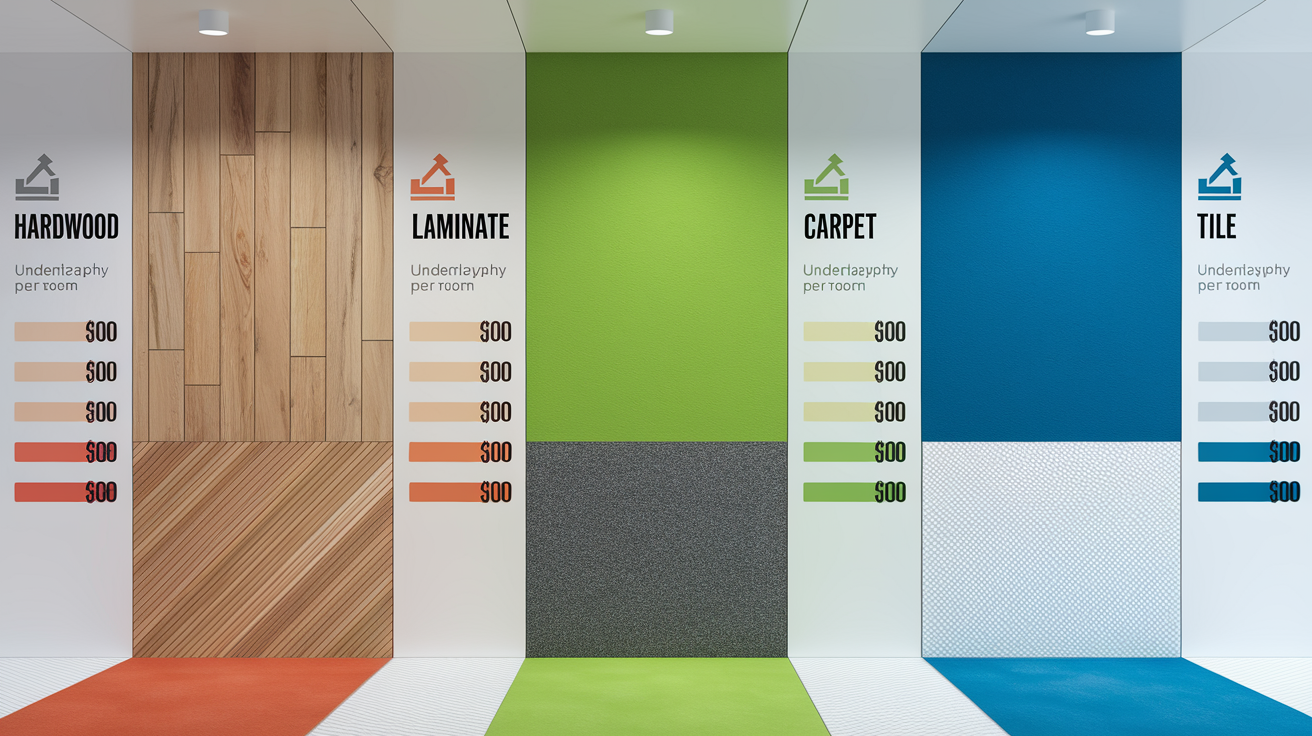
Hardwood floor squeak repairs typically cost $300 to $800 per room because the work requires precision to avoid visible damage. It may involve counter-snap screw systems that break off flush with the surface. Hardwood floors over basements allow for adhesive injection or blocking from below, which preserves the finish and lowers costs. When access isn’t available, professionals drill pilot holes, drive screws at an angle, fill holes with color-matched putty, and sometimes sand and refinish the affected area. That adds $2 to $8 per square foot for refinishing on top of the base repair cost.
Laminate and engineered floors present a different challenge. These floors float over an underlayment rather than being nailed down. Squeaks often come from plank edges rubbing together or from gaps in the underlayment. Simple fixes like the Squeaky Repair Kit for click systems cost around $16.95 for DIY work. But if planks are damaged or the underlayment has failed, you may need to lift and replace sections. That pushes professional costs into the $400 to $1,000 range per room. Tile floors sometimes squeak when the mortar bed beneath loses adhesion. Injecting construction adhesive through grout lines can resolve the issue for $200 to $500, depending on the area size.
Cost ranges by floor type:
- Hardwood: $300–$800 per room; counter-snap screw kits $20–$100 DIY; refinishing adds $2–$8 per sq ft
- Laminate or engineered: $200–$600 per room; Click Lube and Groove Gasket kits $16.95 DIY; plank replacement $400–$1,000 if underlayment is involved
- Carpeted floors: $200–$500 per room; screws driven through carpet $10–$50 DIY; professional fix includes securing subfloor without carpet removal
- Tile or stone: $200–$600 per affected area; adhesive injection through grout $4–$8 per sq ft; full re-set if mortar has failed can reach $1,200+
Products and Tools That Influence the Cost to Fix Squeaky Floors

Specialty squeak repair tools reduce the need for professional labor by simplifying installation and minimizing finish damage. The Plank Grabber, priced at $59.95, is a mechanical system that physically moves and realigns loose planks or tiles, then secures them in place to prevent future movement. It’s particularly useful for floating floors and click-lock systems where traditional screws won’t hold. The tool pays for itself on the first repair if it eliminates a $400 contractor visit. It’s reusable across multiple rooms or future squeak issues.
The Floor-Fix Pro Easy Squeeze is a low-viscosity, self-leveling adhesive sold in tubes with an anti-clog cap designed for grout-line injection. The product flows easily under tiles or wood without requiring you to remove flooring. A single tube typically covers 10 to 20 square feet of repair area for around $8 to $12. The anti-clog cap keeps the nozzle clear between applications, which matters when you’re working on multiple spots in one session. The Squeaky Repair Kit for click-system floors ($16.95) bundles Click Lube and Groove Gasket into one diagnostic and repair package. It targets friction-related squeaks that don’t require structural reinforcement.
Stop Squeak Extra Screws come in a 50-pack and work with the Stop Squeak depth-control jig. This system drives scored screws through carpet or hardwood and snaps the screw head off below the surface. The screws cost around $15 to $25 per pack. The jig itself runs $10 to $20. This combination lets you secure loose subfloor sections without visible hardware, trim removal, or refinishing. When you compare a $40 total tool investment to a $400 professional repair for the same result, the cost savings become clear. DIY kits and specialty tools shift the cost structure heavily toward materials and away from labor, turning a $600 professional job into a $60 weekend project if you’re comfortable with basic drilling and diagnosis.
Quick Fix vs Long-Term Solutions: Cost and Longevity
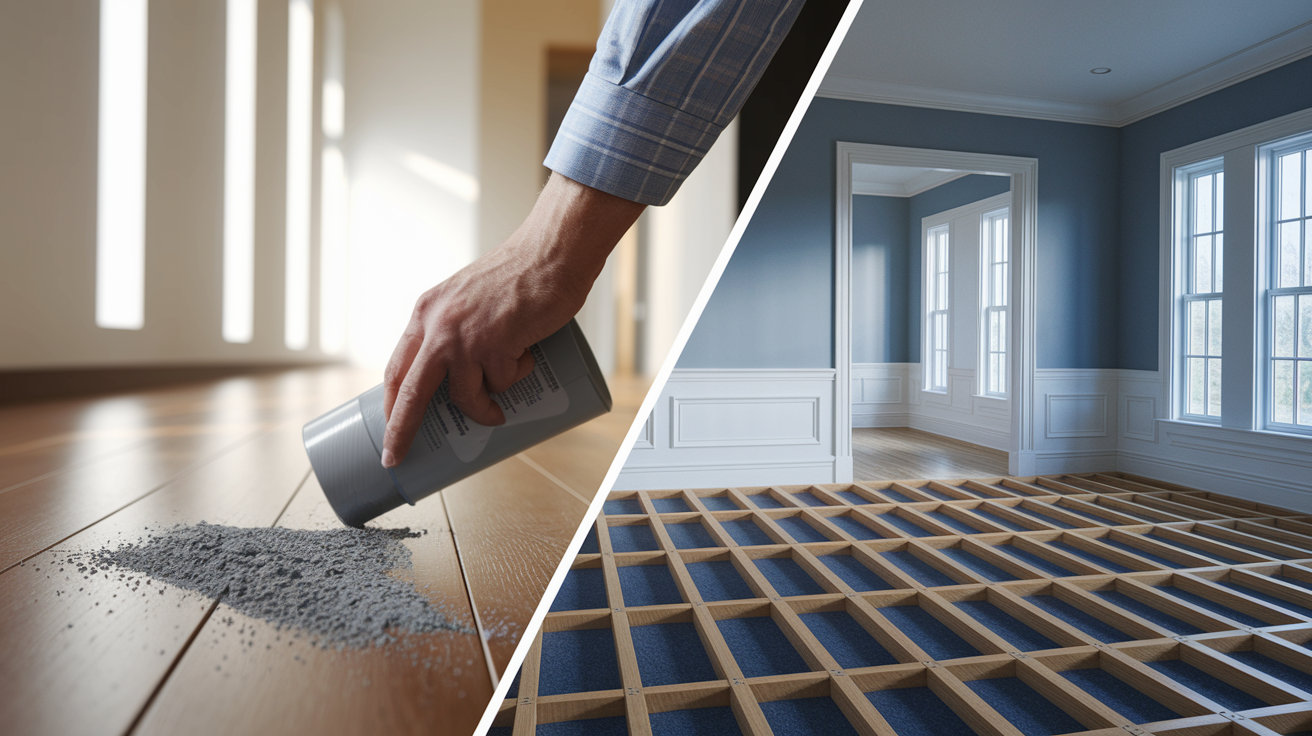
Lubrication-based fixes like powdered graphite cost $5 to $15 and take five minutes to apply, but they’re temporary. The graphite reduces friction between boards, silencing the squeak for weeks or months until the material works its way out or gets compressed. You’ll find yourself reapplying every few months, especially in high-traffic areas. If you’re renting or planning to move soon, lubrication is the cheapest path to short-term quiet. If you’re staying put, it’s money spent on a Band-Aid rather than a cure.
Construction adhesive and screw-based repairs cost $10 to $100 for materials and deliver years of silence when installed correctly. Adhesive fills gaps between the subfloor and joists, creating a bond that stops movement and squeak generation. Screws pull loose boards tight to the framing and hold them there permanently. User testimonials from product pages report noise reduction within 24 to 48 hours after repair, with no recurrence when the underlying cause (loose fasteners or subfloor separation) is properly addressed. The labor investment is higher, usually one to three hours for a single room. But you won’t revisit the problem unless new structural issues develop.
Longevity differences between repair methods:
- Powdered graphite: 2–6 months; reapplication required; cost per application $5–$15
- Screws driven into joists: 5–20 years; permanent unless joist movement occurs; cost $10–$50 materials
- Construction adhesive injection: 10–20 years; highly durable; cost $10–$30 materials
- Specialty kits (Plank Grabber, Stop Squeak): 5–15 years; depends on floor type and traffic; cost $16–$60
Cost to Fix Squeaky Floors in Hard-to-Reach or Structural Areas
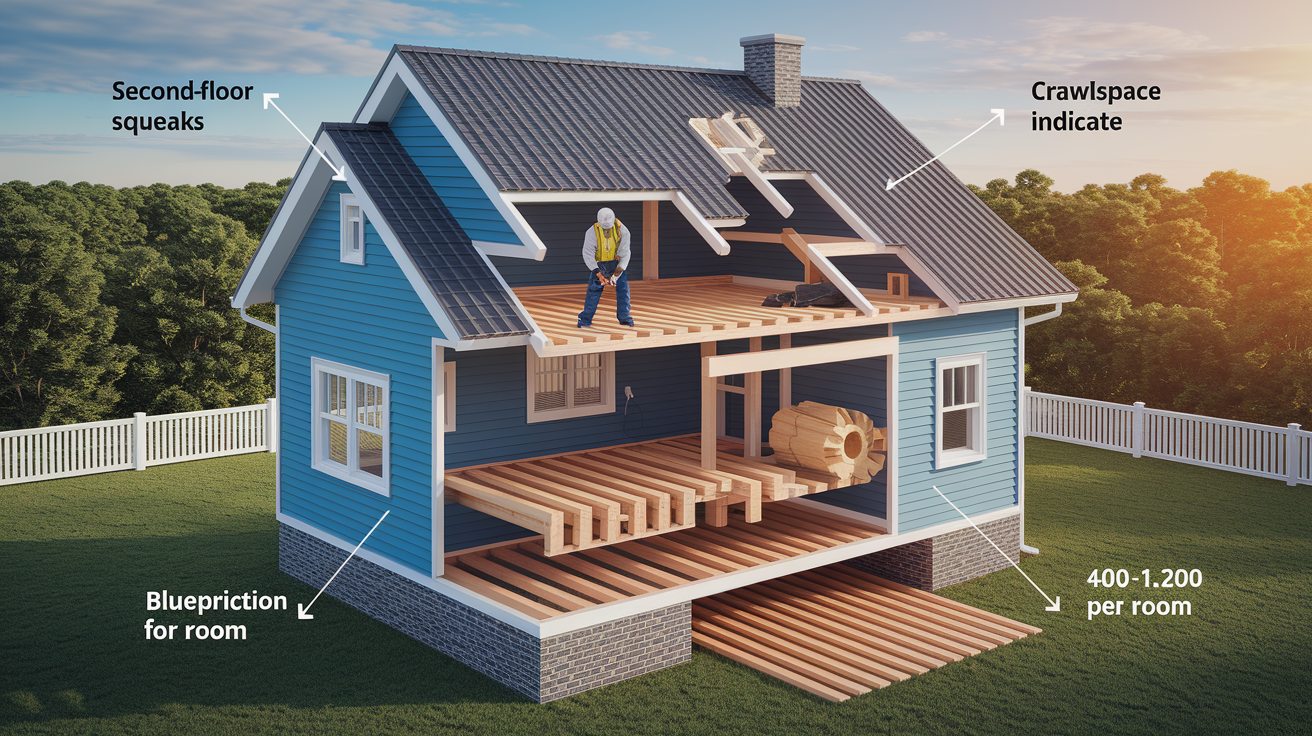
Second-floor squeaks with no attic or basement access force contractors to work from above. That means removing trim, drilling through finished flooring, and refinishing afterward. Expect to pay $400 to $1,200 per room for these repairs because the labor includes finish carpentry and cosmetic work on top of the structural fix. Basement ceiling squeak repairs (when the squeak originates in a first-floor room and you have open access to the joists below) run $200 to $600. The contractor can inject adhesive or install blocking without touching your finished floor.
Joist reinforcement becomes necessary when the squeak signals structural movement rather than simple loose boards. Sistering a new joist alongside a damaged one costs $350 to $1,000 per joist, including materials and labor. Replacing rotted rim joists or sill plates can push costs even higher because the work involves temporary support systems and sometimes foundation access. Subfloor replacement in hard-to-reach areas (like under a kitchen island or in a closet packed with built-ins) adds $200 to $500 to the base replacement cost because of the additional demolition and finish work required.
| Structural Repair Type | Typical Cost |
|---|---|
| Single joist replacement or sistering | $350–$1,000 per joist |
| Subfloor replacement (small area, accessible) | $100–$300 |
| Subfloor replacement (full room, difficult access) | $500–$1,200 |
| Joist blocking or bridging installation | $150–$400 per room |
| Rim joist reinforcement or replacement | $500–$2,000 depending on access and extent |
How to Get Accurate Estimates and Avoid Overpaying for Squeak Repairs

Multiple written estimates give you leverage and reveal which contractors understand the scope of your project. Aim for at least three bids. Make sure each one breaks down diagnosis, labor, materials, timeline, and warranty terms. A vague “we’ll fix your squeaks for $800” estimate hides potential add-ons and leaves you vulnerable to surprise charges when the work expands. Request line-item pricing so you can compare apples to apples across contractors and spot inflated material markups.
Provide clear photos or short videos showing the affected areas. Note your flooring type, prior repairs, and access conditions in your initial outreach. A contractor who knows you have a finished basement with open joist access can quote more accurately than one who assumes they’ll be working from above. Ask whether the repair is cosmetic (short-term noise reduction) or structural (addressing the underlying cause). Request the expected longevity of the fix. Warranties matter. Some contractors guarantee squeak-free floors for 90 days, while others offer one-year coverage. If a contractor won’t provide a warranty, that’s a red flag.
Essential contractor questions and cost-saving tips:
- Ask for a written breakdown of labor, materials, and any potential add-on costs before work begins
- Confirm whether the quoted price includes trim removal, hole filling, and refinishing if applicable
- Request references from recent squeak-repair jobs and check online reviews for complaints about surprise charges
- Bundle multiple rooms into one project to negotiate a per-room discount (typically 10–20 percent off)
- Schedule repairs during a contractor’s slow season (late fall or winter in many regions) to secure lower rates
- Clarify warranty terms in writing. What’s covered, for how long, and what voids the warranty (like refinishing the floor yourself)
Final Words
You’ve got the quick numbers: small DIY fixes run $5–$150, typical pro jobs $200–$1,000 per room, and major structural work can reach $500–$6,000+.
We covered what moves the price—materials, whether you can work from below, and the need for a diagnosis—and when a pro is the smarter call. Get a few written estimates and share photos for accurate quotes.
Keep the cost to fix squeaky floors in mind as you choose a fix—match the method to the problem, and you’ll avoid repeat trips and wasted time. You’ve got this.
FAQ
Q: How do I get my floors to stop squeaking?
A: To get your floors to stop squeaking, find the noisy spot, then secure the subfloor to the joists—screw from above, add blocking or adhesive from below, or use lubricant for minor friction.
Q: Do flooring companies fix squeaky floors? How hard is it to fix a squeaky floor?
A: Flooring companies do fix squeaky floors; difficulty ranges from easy DIY (screws, lubricant) to harder pro jobs when joist repair, subfloor replacement, or hard-to-reach access is needed.
Q: When should I be worried about squeaky floors?
A: You should be worried about squeaky floors when movement worsens, gaps or sagging appear, you see water damage, or noise follows heavy loads—these signs may need a professional inspection.