

Tired of a floor that squeaks louder than your morning coffee grinder?
You can fix most laminate squeaks yourself without ripping the whole floor up.
They usually come from rubbing planks or a loose subfloor, so the fixes are either slipping the joints or tightening and bonding the boards.
This guide shows quick lubricating tricks, how to tighten planks, when to inject bonding adhesive, and when the subfloor needs real repair, and the tools, time, and common mistakes to avoid.
Immediate DIY Methods to Stop Squeaky Laminate Floors
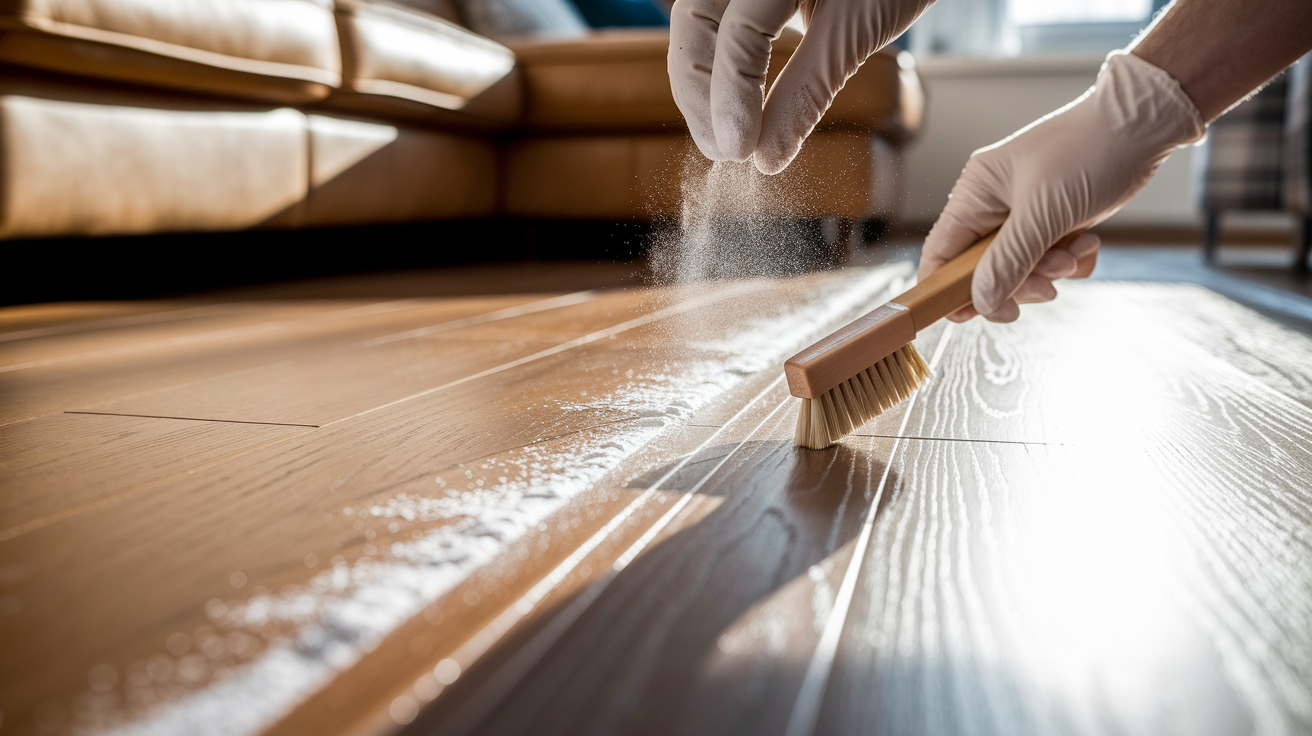
Laminate floors squeak when planks rub against each other or the subfloor underneath. That friction creates the noise you hear with every step. Most squeaks happen because of movement, either the planks shifting at the seams or the entire floor flexing over a loose or uneven base.
Dry lubricants offer the fastest fix. Talcum powder and powdered graphite both work because they reduce friction without creating a slippery mess or leaving stains. Sprinkle powder along the noisy seams, then use a soft brush to work it into the joints. Wipe away any extra with a damp cloth so you don’t track white powder through the house. Fluid sprays like WD‑40 or PTFE might help, but always test them on a hidden spot first because some sprays can darken or discolor the finish on certain laminates.
Tightening loose planks is a more permanent option when the boards have separated at the edges or shifted away from the wall. You’ll need to remove the skirting board along the problem wall, clean out any dust or debris in the gap, and then tap the planks back into place using a rubber mallet and a scrap wood tapping block. Once the boards are snug again, reattach the skirting and the squeak should stop.
How to apply dry lubricant correctly:
- Walk the floor to locate all noisy seams and mark them with chalk or painter’s tape.
- Sprinkle talcum powder or powdered graphite generously along each marked seam.
- Use a soft bristled brush to push the powder down into the joint where the planks meet.
- Wipe away excess powder with a slightly damp cloth so the floor isn’t slippery.
- Walk the floor again after 10 minutes and reapply powder if any seams still squeak.
Diagnosing Squeaky Laminate Flooring Problems Effectively

Rushing into repairs without diagnosing the real problem wastes time and materials. A squeak near the center of the room might come from a hollow spot under the subfloor, while noise along the edges usually signals movement at the expansion gap or loose planks. Spending five minutes to map out the problem saves hours of rework later.
Movement at the seams is the clearest giveaway. Step firmly on a noisy plank and watch the joint where it meets the next board. If you see the seam bow upward or feel the plank rock slightly, the floor’s moving more than it should. That movement creates friction, and friction creates noise.
Six diagnostic actions to find the source of squeaks:
- Walk slowly across the entire floor and listen for hollow sounding or noisy spots.
- Press down firmly with both hands on suspect planks to feel for vertical movement or flex.
- Inspect seams closely for visible gaps, warping, or height differences between planks.
- Move heavy furniture temporarily and walk the cleared area to see if the noise changes.
- Mark every noisy location with chalk or tape so you can track which repairs work.
- Check the perimeter expansion gap with a ruler to confirm spacing is 8 to 10 mm around the entire room.
Common Causes of Squeaky Laminate Floors
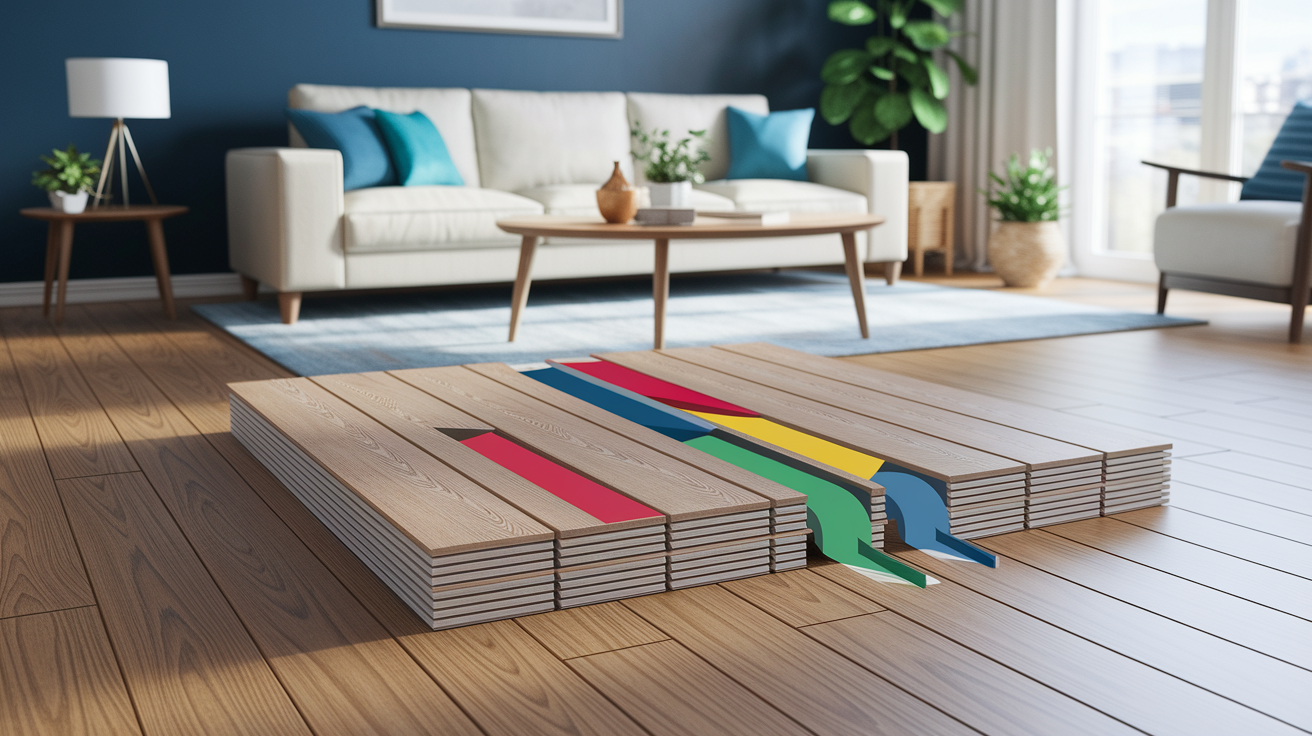
Subfloor problems account for most laminate squeaks. An uneven subfloor creates high and low spots that the laminate can’t bridge on its own, so the planks flex and rub against the base layer with every step. Poorly prepared subfloors that still have dust, debris, or old adhesive bumps also prevent the laminate from sitting flat. Thin underlayment or the wrong type for your subfloor makes the problem worse because it can’t cushion the movement or absorb friction noise. In some cases, installers stack an extra foam layer when the laminate already has integrated foam backing, which adds too much bounce and lets the seams move more than they should.
Humidity swings cause laminate to expand in wet months and contract in dry months. The planks are designed to move, which is why you need an expansion gap around the room. But if indoor humidity drops below 40 percent or climbs above 60 percent, the movement gets extreme. When the floor shrinks in dry air, gaps open at the seams and planks start to shift and squeak. When moisture levels spike, the planks press tighter together and can buckle or bow upward, which also creates noise when you step on them.
Improper installation is another common trigger. If the installer didn’t let the planks acclimate in the room for a couple of days before laying them, the boards may expand or contract immediately after installation and pull apart at the locking joints. Skipping the acclimation step is especially risky if the planks were stored in a cold garage or delivered in winter. Inadequate expansion gaps or no gap at all will also trap the floor when it tries to expand, forcing the planks to press against each other or the wall and creating squeaks along the edges.
Tools and Materials Needed for Fixing Laminate Floor Noise
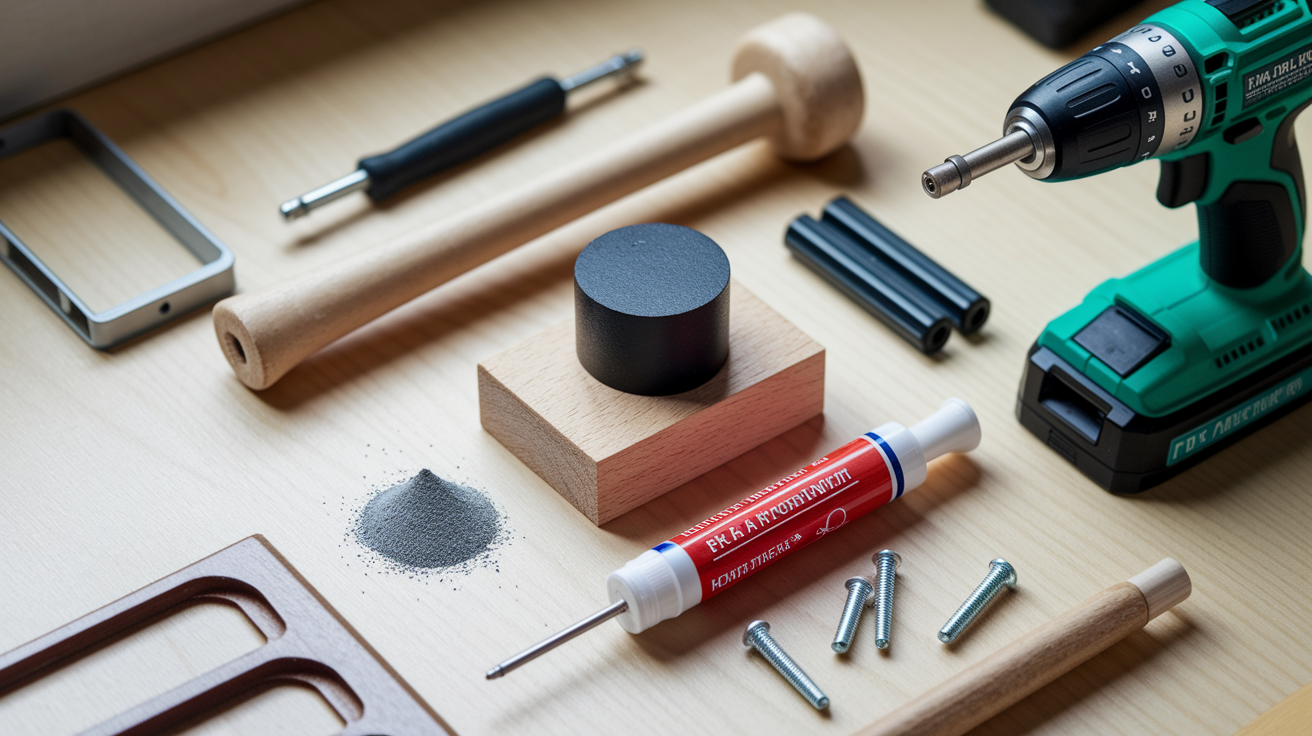
Before starting any repair, gather the right tools and materials so you’re not making extra trips mid project. Most laminate fixes use common household or workshop items, but a few specialty products make the job faster and cleaner.
| Tool or Material | Purpose | Skill Level |
|---|---|---|
| Talcum powder or powdered graphite | Reduces friction between planks for quick temporary fix | Beginner |
| Rubber mallet and tapping block | Taps loose planks back into position without damaging edges | Beginner to Intermediate |
| Drill with small bit and Fix‑A‑Floor bonding adhesive with syringe applicators | Drills injection holes and fills gaps under planks to stop movement without lifting boards | Intermediate |
| Pry bar, utility knife, screws, and buckets for weight | Removes skirting, trims planks, secures subfloor, and holds repairs in place during curing | Intermediate to Advanced |
Step by Step Repair Methods for Squeaky Laminate Floors
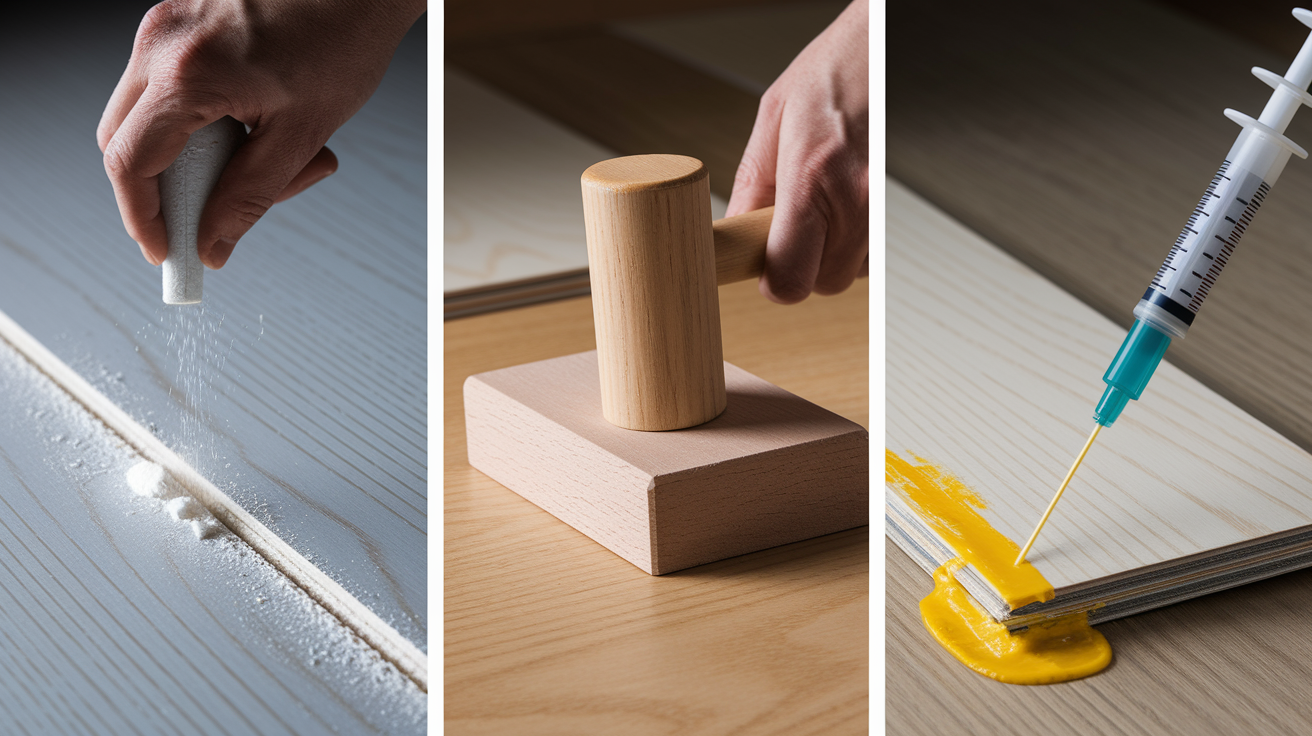
Choose the repair method that matches what you found during diagnosis. Quick friction fixes work for minor noise. Tightening and bonding repairs handle loose or shifting planks. Each method has a clear process and expected result.
Lubricating Floor Joints
Dry lubricants like talcum powder or powdered graphite slip between the plank edges and reduce the friction that causes squeaks. Powders are safer than liquid sprays because they won’t stain or change the floor’s finish. This method is temporary and you’ll need to reapply the powder every few months as it wears away. But it’s perfect for renters or anyone who wants a no drill option.
Three benefits of powder lubricants:
- Safe for all laminate finishes and won’t discolor or leave residue
- Works immediately with no curing or drying time
- Costs less than £5 and requires no special tools
Tightening Loose Laminate Planks
When planks shift away from the wall or pull apart at the seams, you need to push them back into the correct position. Start by removing the skirting board along the problem wall using a pry bar or hammer and chisel. Work slowly so you don’t crack the skirting because you’ll reattach it later. Once the skirting is off, vacuum or brush out any dust and debris sitting in the expansion gap. Cut a scrap piece of wood to use as a tapping block, then place it against the edge of the loose plank and tap firmly with a rubber mallet until the plank slides back and locks snugly with its neighbor. Walk the floor to confirm the squeak is gone, then reattach the skirting with finishing nails or the original fasteners.
Filling Gaps Using Bonding Adhesive
Bonding adhesive is a long term fix that doesn’t require removing any planks. This method works when the subfloor and planks are both sound but there’s a small gap or hollow spot causing movement. Use Fix‑A‑Floor bonding adhesive or a similar injectable floor filler designed to dry clear and remain flexible. The adhesive fills the void, locks the plank down, and stops the movement that creates noise.
Six steps to inject bonding adhesive correctly:
- Tap the floor with your knuckles or walk slowly to locate hollow sounding areas and mark them with chalk or painter’s tape.
- Drill small pilot holes through the laminate surface over each hollow spot, spacing holes about 15 cm apart if the area is large.
- Load the adhesive into a caulk gun or attach the pre filled syringe applicator included in most repair kits.
- Insert the applicator tip into each drilled hole and squeeze adhesive slowly until you see it start to seep out around the edges of the plank or feel resistance.
- Wipe away excess adhesive immediately with a damp cloth, then press the plank down firmly and hold it in place for 30 to 60 seconds.
- Place a bucket of water or another heavy weight over the treated area and leave it for at least 24 hours while the adhesive sets and dries clear.
Fixing Subfloor Problems That Cause Squeaky Laminate Planks

Subfloor repairs are more invasive but necessary when squeaks keep coming back no matter what you try on the surface. You’ll need to remove the laminate and underlayment to access the subfloor, so plan this as a weekend project and keep the removed planks in order so reassembly goes smoothly. Once the subfloor is exposed, walk it and press down in different spots to find loose boards or sections that flex too much.
If the subfloor is plywood or OSB and it’s nailed down, those nails can work loose over time, especially in newer homes where the wood hasn’t fully settled. Replace nails with hardened drywall screws driven into the floor joists below because screws hold better and won’t back out like glue coated nails. For any dips or high spots, use floor leveling compound to smooth the surface before reinstalling the underlayment. Check that you’re using the right underlayment for your subfloor type and confirm you’re not stacking multiple foam layers unless the manufacturer specifically requires it.
Four common subfloor fixes that stop recurring squeaks:
- Screw down loose plywood or OSB sheets every 20 cm along joists to eliminate flex and movement
- Fill low spots with self leveling compound and sand high spots flat so the laminate sits evenly
- Replace damaged, wet, or rotted subfloor sections before reinstalling any flooring
- Switch to the correct underlayment thickness and type recommended by the laminate manufacturer
Preventing Future Squeaks in Laminate Flooring

Preventing squeaks is easier than fixing them. Most noise problems start during installation or develop slowly as humidity and daily wear take their toll. A few simple habits and one time setup steps keep laminate floors quiet for years.
Keep indoor humidity between 40 and 60 percent year round using a dehumidifier in summer and a humidifier in winter if needed. Wipe up spills immediately so moisture doesn’t seep into seams and cause swelling. Before installing new laminate, let the planks sit in the room for at least 48 hours so they adjust to the temperature and humidity where they’ll live. Make sure the subfloor is clean, level, and free of debris before laying any underlayment, and always use the underlayment type specified by the flooring manufacturer.
Five tips to keep laminate floors squeak free long term:
- Maintain a consistent 40 to 60 percent indoor humidity with a hygrometer to monitor levels.
- Leave an 8 to 10 mm expansion gap around the entire perimeter of every room so planks can move without binding.
- Use felt pads under heavy furniture legs to distribute weight and prevent dents or concentrated pressure points.
- Vacuum or sweep regularly to prevent dirt and grit from settling into seams where it can cause friction.
- Inspect seams once a year for gaps or separation and reapply dry lubricant or bonding adhesive at the first sign of movement.
When to Replace Laminate Flooring or Call a Professional for Squeaks

DIY methods work for isolated squeaks and minor movement, but some problems need professional help or full floor replacement. If you’ve tried lubricants, tightening, and bonding adhesive and the noise persists across large areas, the subfloor or installation is likely compromised beyond a simple fix. Visible moisture damage, warping, or planks that won’t stay locked together signal deeper issues that won’t resolve with surface repairs.
Call a professional if you see signs of subfloor rot, widespread unevenness, or structural settling that’s pulling the floor apart. Laminate typically lasts up to 25 years with proper care, so persistent squeaking in an older floor may mean it’s reached the end of its useful life and replacement makes more sense than patching. If you’re uncomfortable removing planks, drilling into your floor, or working with adhesives, a flooring contractor can diagnose and repair the problem in a few hours and usually offers a warranty on the work.
Final Words
Start with quick fixes: dust talcum or powdered graphite into seams, or tap loose boards back with a tapping block, since most squeaks come from friction and movement.
Next, diagnose the noisy spots, check the subfloor and humidity, and use the right tools or adhesive for longer repairs. Prevention, proper underlay, correct expansion gaps, and felt pads help keep sounds from coming back.
If simple repairs don’t quiet things, get a pro for subfloor or moisture damage. You now know how to fix squeaky laminate floors; quieter floors are just a few steps away.
FAQ
Q: Can you use WD-40 on laminate floors?
A: Using WD-40 on laminate floors is not ideal; it can leave oily residue, stain, or make surfaces slippery. Test a small hidden spot first; powdered graphite or talcum powder is safer.
Q: Why do my floors squeak when I walk on them? / Why does my vinyl floor squeak? / Why is my laminate floor clicking?
A: Squeaky or clicking floors happen because planks rub on each other or the subfloor, loose boards shift, wrong underlayment or humidity changes cause friction. Walk the area to locate the exact noisy spot.